Chronic conditions are the defining healthcare challenge of our time. The majority of healthcare spending goes toward managing long-term illnesses like diabetes,...
Read More
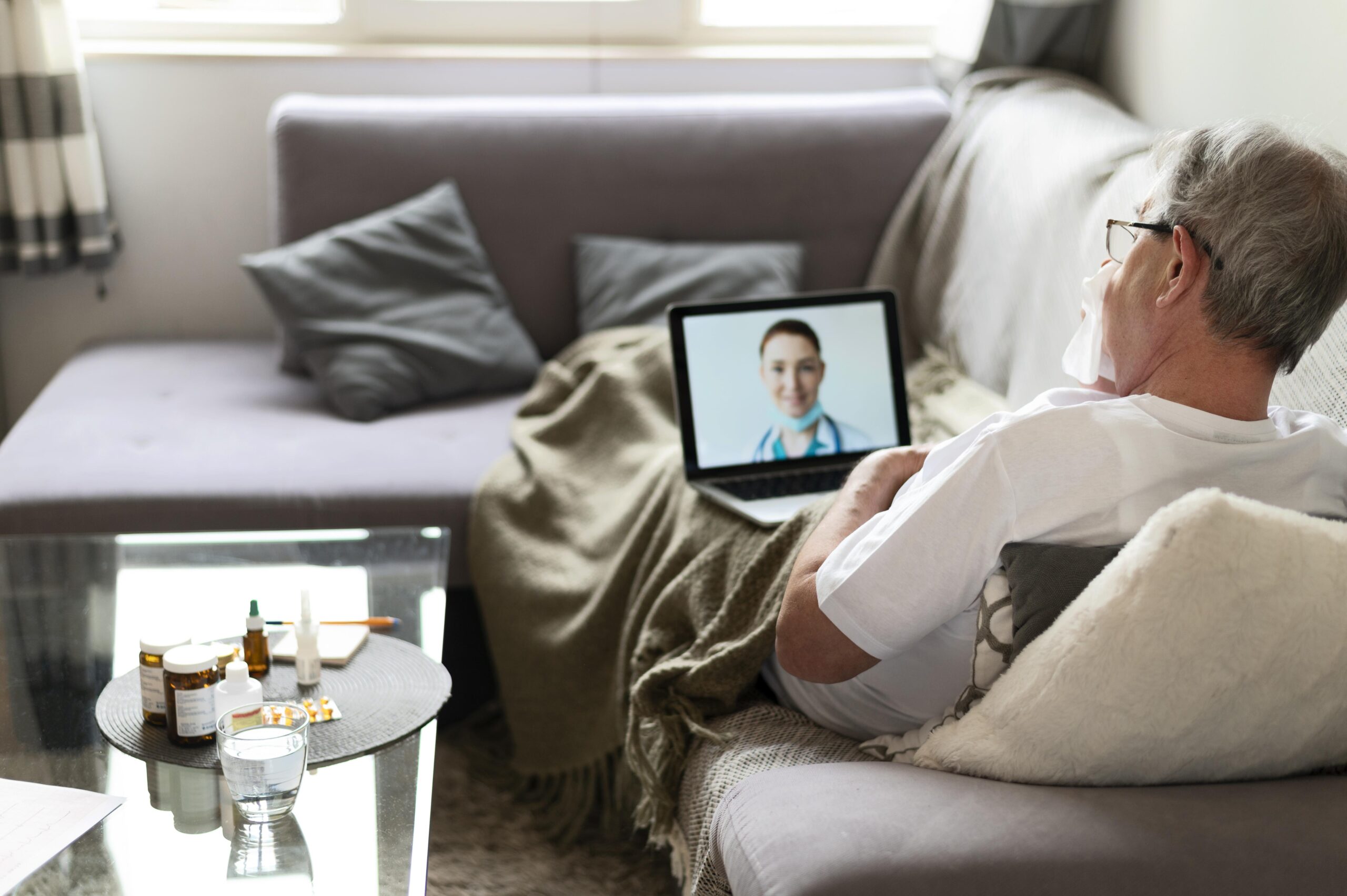
Healthcare is no longer limited to hospitals and doctor’s offices. Across the United States, healthcare providers are using Remote Patient Monitoring (RPM) to deliver continuous care while patients remain safely at home. Instead of waiting weeks for the next appointment, physicians can now review vital signs in near real time through connected medical devices, secure digital platforms, and AI-powered analytics.
As demand for convenient and personalized care continues to grow, Remote Patient Monitoring has become one of the fastest-growing digital healthcare solutions in the United States. Supported by artificial intelligence, wearable health devices, and remote monitoring technology, RPM helps healthcare providers identify health risks earlier, improve patient engagement, reduce hospital readmissions, and deliver better long-term outcomes.
What Is Remote Patient Monitoring (RPM) and Why Is It Growing in the United States?
Remote Patient Monitoring (RPM) is a healthcare technology that allows clinicians to monitor a patient’s health outside of hospitals or clinics by using connected medical devices, wearable sensors, and secure digital health platforms. These devices automatically collect health information such as blood pressure, glucose levels, oxygen saturation, heart rate, body weight, and ECG readings before securely transmitting the data to healthcare providers for review.
Across the United States, Remote Patient Monitoring has become a key component of value-based healthcare because it enables earlier intervention, improves chronic disease management, and reduces avoidable hospital admissions. Hospitals, physician practices, and home healthcare providers increasingly rely on RPM solutions to improve patient outcomes while lowering healthcare costs.
How Does Remote Patient Monitoring Work?
A remote patient monitoring system usually follows four straightforward steps. Once it is set up, most of it runs quietly in the background.
- Data collection. The patient uses a connected medical device, such as a smart blood pressure monitor, continuous glucose monitor, weight scale, or wearable ECG patch. The device measures a specific health metric.
- Data transmission. The reading is sent automatically to a secure cloud platform, typically through Bluetooth, Wi-Fi, or a built-in cellular connection. Many modern remote patient monitoring solutions avoid relying on the patient’s own smartphone or home internet, which keeps the process simple for less tech-savvy users.
- Data analysis. The platform organizes the readings, tracks trends over time, and flags anything outside a safe range. Increasingly, artificial intelligence helps here, summarizing patient data and surfacing the readings that actually need a clinician’s attention.
- Clinical response. A nurse or physician reviews the flagged data and decides what to do next, whether that means adjusting medication, scheduling a visit, sending a message, or simply confirming that everything looks stable.
One reason RPM adoption continues to increase across the United States is Medicare reimbursement. Since the Centers for Medicare & Medicaid Services (CMS) introduced dedicated RPM billing codes, hospitals, physician groups, and healthcare organizations have rapidly implemented remote monitoring programs. Today, AI-powered RPM platforms help clinicians monitor thousands of patients simultaneously while improving efficiency and reducing unnecessary emergency visits.
Many remote patient monitoring platforms also offer free sign up and secure login, making it easy for healthcare providers and patients to get started with continuous health monitoring and real-time access to care.
Want to Stay Connected to Your Health from Anywhere?
Sign up or log in to access health insights, care plans, and continuous remote monitoring
Personalized recovery plans
AI-driven health care management with smart alerts and thresholds
Audiovisual therapy education for guided self-rehab
Real-time metrics capture for progress tracking
What Are the Four Main Purposes of Monitoring?
Monitoring in healthcare is not just about collecting numbers. Whether in a hospital or through a remote monitoring setup at home, it generally serves four main purposes:
- Early detection. Catching warning signs before symptoms escalate, so problems can be treated sooner and more cheaply.
- Ongoing management. Keeping chronic conditions like diabetes, hypertension, or heart failure under control through steady, day-to-day tracking rather than occasional check-ins.
- Evaluation of treatment. Measuring whether a medication, therapy, or lifestyle change is actually working, using real data instead of guesswork.
- Patient safety and reassurance. Giving patients and their families confidence that someone is watching over their health, which reduces anxiety and encourages people to stay engaged in their own care.
These four goals explain why remote health monitoring has found a home across so many conditions and care settings.
Top Benefits of Remote Patient Monitoring for Patients and Healthcare Providers in the United States
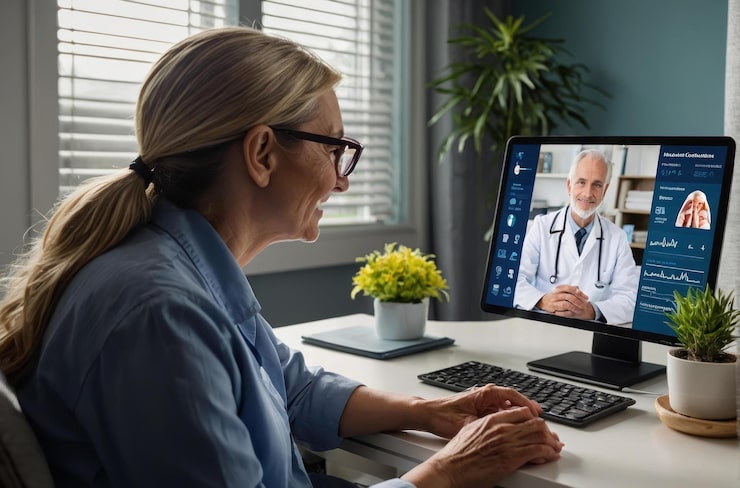
Remote Patient Monitoring delivers measurable clinical and financial benefits for both patients and healthcare providers. Across the United States, RPM programs are helping hospitals improve quality of care, reduce readmissions, strengthen chronic disease management, and increase patient satisfaction. By combining connected medical devices with AI-powered analytics, healthcare teams can make faster, more informed decisions while patients receive continuous care from the comfort of home.
Fewer hospital visits and readmissions. By catching issues early, RPM helps reduce emergency department trips and repeat hospital stays, which are among the most expensive and disruptive events in healthcare.
Better chronic disease management. Conditions like heart disease and diabetes need constant attention. The U.S. Centres for Disease Control and Prevention estimates that roughly six in ten American adults live with at least one chronic condition, and RPM is built to support exactly that population with continuous, data-driven care.
Convenience and comfort. Patients can manage their health from home instead of taking time off work, arranging transportation, or sitting in waiting rooms. This is especially valuable for older adults, people in rural areas, and anyone with limited mobility.
Earlier intervention. Real-time alerts mean clinicians can act on a concerning trend quickly, which can be the difference between a phone call and a crisis.
Stronger patient engagement. When people can see their own numbers improving, they tend to stay more involved in their care and stick to their treatment plans.
Lower overall costs. Preventing complications is far cheaper than treating them. For health systems and payers, that makes RPM a practical investment, not just a nice-to-have.
What Is an Example of Remote Patient Monitoring?
One of the clearest real-world examples is continuous glucose monitoring (CGM) for people with diabetes.
Instead of pricking a finger several times a day, a patient wears a small sensor that automatically measures glucose levels around the clock and sends the data to an app and their care team. The physician can review glucose trends, adjust insulin or medication, and reach out if levels drift into a dangerous range. Popular continuous glucose monitoring systems are now used by millions of patients around the world,which shows how quickly this kind of monitoring has been adopted.
Other everyday examples include:
- A smart blood pressure cuff that lets a heart-failure patient share daily readings with their cardiologist.
- A pulse oximeter that tracks oxygen levels for someone recovering from a respiratory illness at home.
- A wearable ECG patch that records heart rhythm for days at a time to help detect arrhythmias.
- A connected scale used to catch sudden weight gain, an early warning sign in heart-failure care.
Each example follows the same principle: measure at home, transmit securely, and let the VitalWatch365 care team analyze the data and take timely action based on patient insights.
What Are the Different Types of Remote Monitoring?
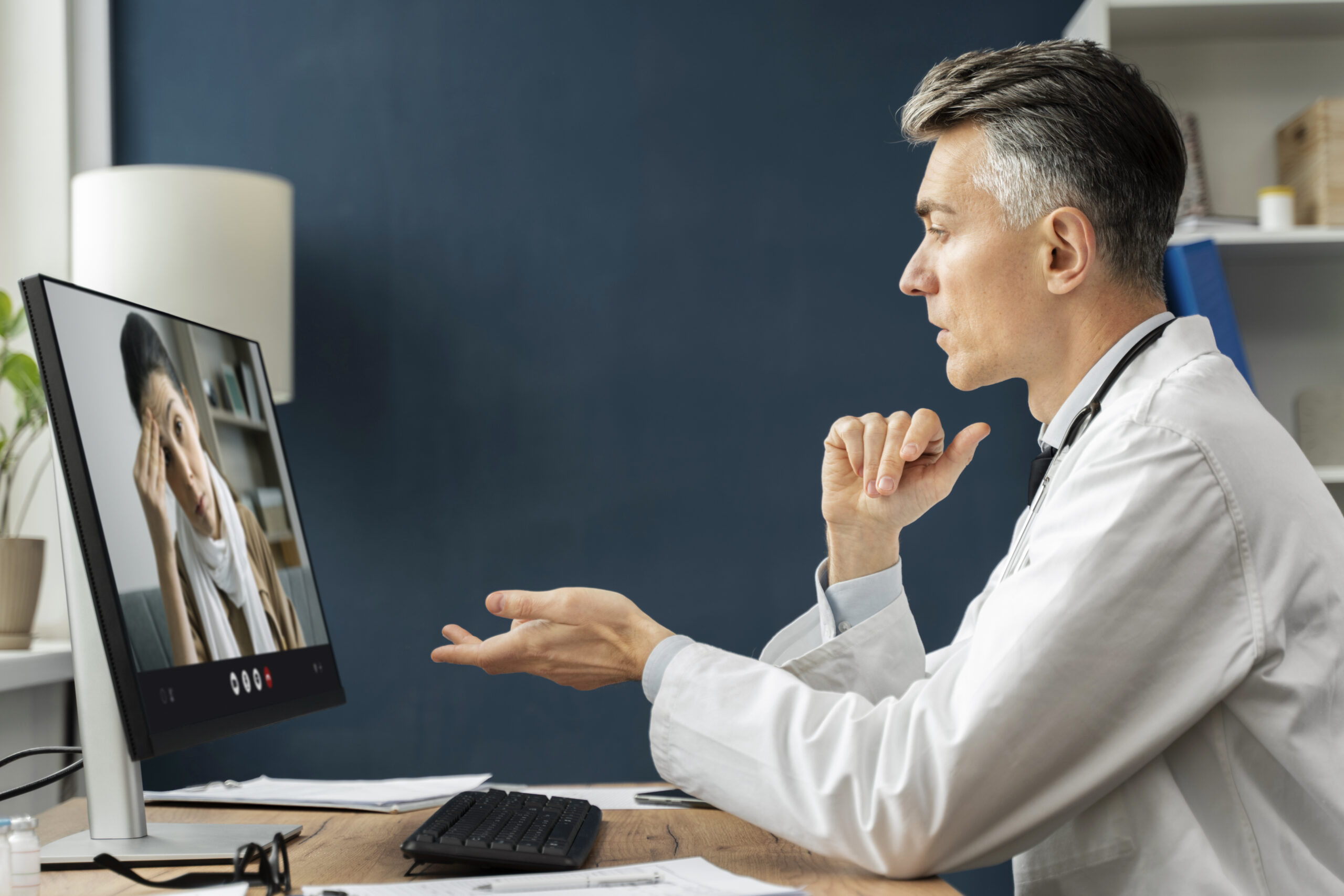
“Remote monitoring” is an umbrella term that covers several device categories and use cases. A complete remote patient monitoring system may combine more than one of these depending on the patient’s needs, while also integrating Android App and iOS App support to enable seamless health tracking, real-time data sharing, and convenient access for both patients and healthcare providers.
Cardiac monitoring. Blood pressure monitors, wearable ECG devices, and implantable cardiac monitors track heart rate, rhythm, and blood pressure. Cardiovascular conditions represent one of the largest uses of RPM worldwide, given how common and serious they are.
Glucose and metabolic monitoring. Continuous glucose monitors and connected insulin tools support people managing diabetes, one of the fastest-growing areas of remote health monitoring.
Respiratory monitoring. Pulse oximeters and connected spirometers help patients with asthma, COPD, or post-illness recovery keep track of oxygen levels and lung function.
Weight and vital-sign monitoring. Smart scales, thermometers, and multi-parameter devices capture the everyday metrics that reveal how a chronic condition is trending.
Wearable and activity monitoring. Smartwatches and fitness-style wearables track heart rate, sleep, activity, and other signals, often blending wellness tracking with clinical insight.
Post-discharge and hospital at home monitoring. After surgery or a hospital stay, RPM lets clinicians keep watching a patient’s recovery from home, reducing the risk of readmission.
Most modern remote patient monitoring solutions from VitalWatch365 are designed to be modular, allowing care teams to mix devices based on each patient’s specific condition rather than relying on a one-size-fits-all setup.
Related Posts
What Is Remote Patient Monitoring? Benefits, How It Works, and Why It Matters
Healthcare is no longer limited to hospitals and doctor's offices. Across the United States, healthcare providers are using Remote Patient...
Read More

What Is a Chronic Care Management Plan? Requirements, Benefits, and Best Practices
Managing chronic health conditions has become one of the biggest challenges in modern healthcare. Millions of patients live with long-term...
Read More