
Chronic conditions are the defining healthcare challenge of our time. The majority of healthcare spending goes toward managing long-term illnesses like diabetes,...
Read More

Why Are More Patients Choosing Remote Physical Therapy?
Sign up or log in to access guided therapy programs, monitor progress, and support your recovery journey
Personalized recovery plans
AI-driven health care management with smart alerts and thresholds
Audiovisual therapy education for guided self-rehab
Real-time metrics capture for progress tracking
What Remote Physical Therapy Actually Involves
Remote physical therapy sometimes called remote PT is not a simplified or watered-down version of care. It is a fully structured model in which licensed clinicians design, monitor, and adjust therapy treatment plans using digital tools.
Patients perform prescribed exercises at home while therapists track progress through virtual check-ins, motion analysis, wearable data, or live guided sessions. Communication happens through secure clinical platforms, and treatment plans are updated based on real performance and recovery trends.
The therapist still leads the process. The difference is where the therapy takes place not who controls it.
Why Convenience Alone Isn’t the Real Reason
It’s natural to assume patients choose remote physical therapy primarily because it’s convenient. Convenience is certainly part of it. But convenience helps patients start therapy. Consistency is what helps them finish it and that’s where remote PT has a distinct advantage.
When patients don’t have to rearrange work schedules, arrange transportation, or manage caregiving responsibilities around clinic visits, they miss fewer sessions. Fewer missed sessions directly improves recovery outcomes. When therapy fits naturally into daily routines, patients are more likely to complete the program as prescribed.
Some patients also report feeling more engaged during home-based therapy. Exercises feel connected to their actual daily movement not something they do only in a clinical room and then try to remember later.
The Role of Consistency in Recovery
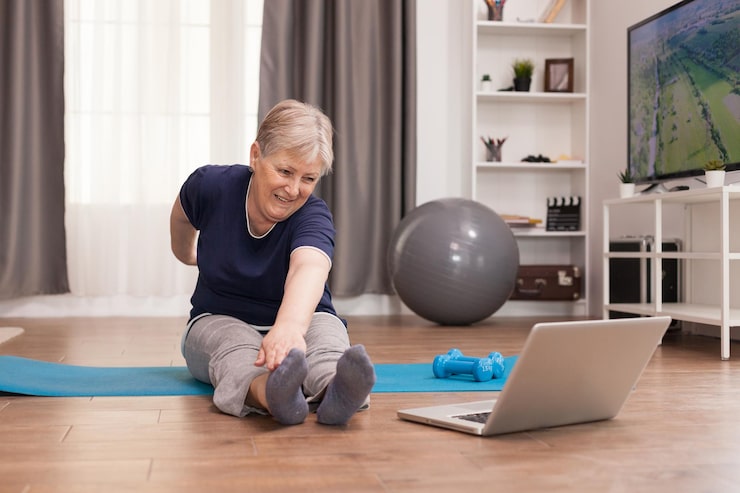
Recovery depends less on intensity than on repetition and gradual, steady progress. Traditional therapy models typically limit patients to two or three supervised sessions per week. Between those sessions, patients are expected to remember and correctly perform exercises on their own often without feedback or accountability.
That gap between supervised and independent practice can slow progress significantly.
Remote physical therapy narrows that gap. Patients receive more frequent guidance, timely reminders, and real-time feedback. Therapists can observe how exercises are performed over time not just during short, isolated clinic visits. This continuous visibility allows clinicians to adjust the therapy treatment plan early, before small compensations or errors become setbacks. Patients feel supported throughout, rather than left to guess between appointments.
How Does Remote Physical Therapy Improve Access in the United States?
For patients managing chronic pain, mobility limitations, or early post-surgical recovery, traveling to a clinic can be difficult. Transportation may require assistance, and the journey itself can add physical and emotional stress during recovery.
Remote physical therapy can reduce some of these barriers by allowing appropriate patients to participate in rehabilitation from home. This can be useful for people who have limited mobility, live in rural communities, or have difficulty reaching specialized physical therapy services.
In the United States, remote PT can also expand access to therapists beyond a patient’s immediate local area, subject to applicable licensing, provider availability, insurance coverage, and clinical requirements.
Increased Comfort and Confidence at Home
Many patients feel more relaxed and natural in their own environment and that matters more than it might seem.
In a familiar home setting, patients tend to move more authentically. Therapists can observe how patients actually function in their daily spaces: how they rise from a chair, navigate stairs, or reach for objects on a shelf. That real-world context gives clinicians valuable information for tailoring exercises that directly support day-to-day activities.
Patients also report feeling less self-conscious when exercising at home. For older adults or those new to physical therapy, reduced self-consciousness translates directly to better participation and more consistent engagement with the program.
How AI and Digital Technology Are Improving Remote Physical Therapy
Early remote therapy programs relied mainly on video calls and written exercise instructions. Modern digital rehabilitation platforms can now support a broader range of tools, including motion tracking, progress analytics, digital treatment plans, patient reminders, and clinical dashboards.
For patients in the United States, these technologies can make remote rehabilitation more connected and measurable. Therapists may be able to review recovery trends, identify changes in exercise performance, and adjust a treatment plan based on available patient information.
AI can also support physical therapy by helping analyze movement patterns and organize recovery data. The purpose is not to replace the therapist. Instead, AI can provide additional information that helps licensed professionals make better-informed decisions.
Is Remote Physical Therapy Safe for Patients in the United States?
Safety is one of the most important considerations when choosing remote physical therapy. Patients may wonder whether exercises can be performed correctly without a therapist physically present.
Appropriate remote PT programs can use guided sessions, exercise demonstrations, movement feedback, progress monitoring, and regular communication with licensed therapists. These tools can help patients understand their exercises and stay within the boundaries of their prescribed treatment plan.
In the United States, the suitability of remote physical therapy can depend on the patient’s condition, state requirements, provider qualifications, and clinical needs. Some patients may still require hands-on assessment or in-person treatment.
Remote PT should therefore complement professional clinical judgment rather than replace it.
Stronger Communication between Patient and Therapist
Remote physical therapy frequently leads to more communication between patients and their care teams, not less. Patients can raise questions as they arise, rather than waiting until the next scheduled appointment. Therapists can respond quickly with adjustments or reassurance, preventing small concerns from becoming reasons to disengage from therapy.
Over time, this builds genuine trust. Patients feel heard and informed. Therapists develop a clearer, more continuous picture of how patients experience their recovery from day to day a depth of insight that short clinic visits rarely provide. For continued access, patients can login anytime to track progress or signup for free to start their recovery journey.
Long-Term Conditions Benefit the Most
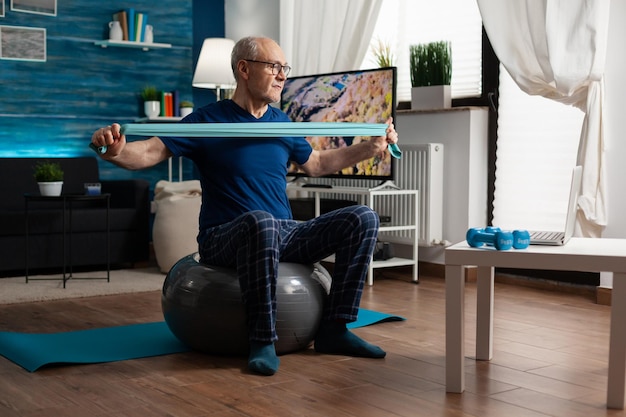
Remote PT is particularly well-suited to chronic and long-term conditions that require ongoing management rather than short, concentrated bursts of intervention. Conditions like arthritis, neurological disorders, and postural imbalances improve through steady monitoring, gradual progression, and consistent reinforcement not episodic clinic appointments.
Remote physical therapy supports this model naturally. Patients gradually learn to integrate therapy into their daily routines rather than treating it as a fixed, temporary task. That shift in mindset from something you do to something you live with tends to produce better long-term outcomes.
Cost Transparency and Reduced Indirect Expenses
Clinical costs for remote and in-person therapy vary depending on insurance coverage and provider. But many patients notice meaningful savings in indirect expenses when switching to remote PT: no travel costs, no time lost commuting, fewer disruptions to work schedules or family responsibilities.
For some patients, these indirect savings are what make physical therapy financially sustainable in the first place. When treatment fits within both a patient’s life and budget, they are far more likely to complete it fully.
Remote Physical Therapy and Patient Independence
An unexpected but frequently reported benefit of remote PT is increased confidence and self-awareness. Home-based therapy encourages patients to understand their own movement, monitor their progress, and actively engage with their recovery process.
Rather than depending entirely on in-clinic cues and corrections, patients become informed participants in their therapy treatment plan. That sense of ownership tends to improve adherence and makes the transition back to independent daily activity smoother once formal therapy concludes.
Why Are Patients Continuing Remote PT After Clinics Reopened?
Patients continue to choose remote physical therapy even when in-person options are available because the model can fit more naturally into their everyday lives.
For many people in the United States, avoiding repeated travel, reducing scheduling conflicts, and staying connected with a therapist from home can make rehabilitation easier to maintain.
This continued interest suggests that remote PT is not simply a temporary response to changes in healthcare delivery. For appropriate patients, it has become another practical way to receive structured rehabilitation while maintaining professional oversight.
The Bigger Shift in Healthcare Delivery
Remote physical therapy is part of a wider shift toward flexible, connected, and patient-centered healthcare. Instead of requiring every aspect of care to happen inside a clinic, digital healthcare allows some services to extend into the patient’s home.
In the United States, this shift is creating more interest in remote rehabilitation, virtual physical therapy, remote patient monitoring, and other digital care models.
The goal is not to remove in-person healthcare. Instead, the goal is to give patients and providers more appropriate options for delivering care based on individual needs.
As technology improves, remote physical therapy can become more personalized, measurable, and connected while licensed therapists remain central to clinical decision-making.
Final Thoughts
Patients are choosing remote physical therapy because it works with their lives rather than against them. It supports consistent recovery, strengthens communication between patients and care teams, and removes the barriers logistical, financial, and physical that cause too many therapy programs to fail before they truly begin.
Platforms like VitalWatch365 are helping make this model clinically reliable and practically accessible, supporting structured therapy treatment plans, real-time monitoring, and clear, ongoing communication between patients and providers. As remote care continues to evolve, the solutions that prioritize safety, clarity, and measurable outcomes will define the future of physical therapy delivery.
Recovery shouldn’t depend on how easy it is to get to a clinic. With remote physical therapy, it doesn’t have to.
Related Posts
What Is Remote Patient Monitoring? Benefits, How It Works, and Why It Matters
Healthcare is no longer limited to hospitals and doctor's offices. Across the United States, healthcare providers are using Remote Patient...
Read More

What Is a Chronic Care Management Plan? Requirements, Benefits, and Best Practices
Managing chronic health conditions has become one of the biggest challenges in modern healthcare. Millions of patients live with long-term...
Read More