
Chronic conditions are the defining healthcare challenge of our time. The majority of healthcare spending goes toward managing long-term illnesses like diabetes,...
Read More
Remote physical therapy used to sound like a compromise. Something you would try if you could not make it to the clinic because travel was difficult, schedules did not line up, or weather got in the way.
Over the last few years, that perception has changed. Patients, therapists, and healthcare systems across the United States are asking a more important question:
Can remote physical therapy actually deliver the same results as in-clinic rehabilitation?
sometimes yes, sometimes no. The longer answer depends on the patient, condition, treatment plan, technology, and level of therapist support.
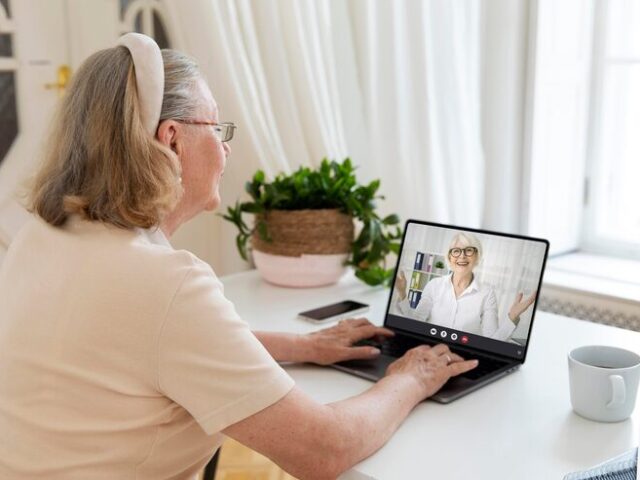
Remote physical therapy is not simply a replacement for clinic visits. When designed well, it combines licensed therapist guidance, personalized treatment plans, digital monitoring, and consistent patient engagement to support recovery at home.
How Physical Therapy Has Traditionally Worked
Remote physical therapy can deliver outcomes comparable to in-clinic rehabilitation for many patients, particularly those with musculoskeletal conditions, chronic pain, mobility limitations, and certain post-surgical needs. However, some patients still require hands-on assessment or treatment. In the United States, the most effective approach may combine remote and in-clinic physical therapy based on the patient’s condition and recovery needs.

What Remote Physical Therapy Actually Is (And What It Isn’t)
Remote physical therapy, sometimes called remote PT care, isn’t just video calls and PDFs emailed to patients at least not when it’s done properly.
Done right, it combines:
- Virtual sessions with licensed physical therapists
- Structured treatment plans designed for the home environment
- Real-time (or near-real-time) monitoring of movement and progress
- Regular check-ins, feedback, and plan adjustments
It isn’t replacing therapists; it’s extending their reach. And it’s definitely not a YouTube workout routine dressed up as rehab.
Why People Started Taking Remote PT Seriously
The big shift came when patients realized something important: most physical therapy progress happens outside the clinic, not inside it.
In-clinic sessions guide you, but it’s the daily exercises, posture habits, walking patterns, and movement choices at home that actually rebuild strength and mobility. Remote physical therapy leans into that reality instead of fighting it.
When it’s done well, it keeps patients engaged between sessions. Therapy becomes part of daily life not a twice-a-week appointment that’s easy to forget. Sign up today to start your personalized remote PT journey.

Want Effective Physical Therapy Without Visiting a Clinic?
Sign up or log in to access AI-guided therapy programs and monitor your recovery with confidence
Personalized recovery plans
AI-driven health care management with smart alerts and thresholds
Audiovisual therapy education for guided self-rehab
Real-time metrics capture for progress tracking
What Does the Research Say About Remote PT Outcomes?
Studies over the past several years show that for many conditions especially musculoskeletal injuries, post-surgical rehab, chronic pain, and mobility training remote physical therapy can match in-clinic results. In some cases, it even beats them.
Not because the technology is magical, but because adherence improves. Patients who feel supported at home tend to:
- Complete their exercises more consistently
- Report changes in pain sooner
- Catch small issues before they become setbacks
That said, remote PT isn’t right for everyone. Some cases still need hands-on care early post-op recovery and complex neurological rehab, for example. But for a large share of patients, a well-structured remote program produces comparable results.
Research and clinical experience are encouraging healthcare providers across the United States to consider remote PT for appropriate patients, particularly when treatment can be safely delivered without frequent hands-on intervention.
Consistency Beats Location (Most of the Time)
Here’s an uncomfortable truth about traditional rehab: many patients don’t follow through. They show up, nod along, and then life gets in the way.
Remote physical therapy reduces that drop-off. When reminders, progress tracking, and therapist feedback are built into the process, patients are far less likely to skip their exercises. They feel seen they know someone is paying attention.
Consistency drives recovery more than location does, and remote systems are built around consistency.
How AI and Technology Improve Remote Physical Therapy in the United States
In the United States, digital physical therapy platforms are increasingly combining video consultations, remote monitoring, movement tracking, and AI-supported insights to help therapists follow patient progress outside the clinic.
Modern platforms can track movement patterns, flag irregular progress, and give therapists objective data instead of relying on patient self-reports alone. That matters more than people realize, because patients don’t always notice subtle compensations or incorrect form.
When therapists can see what’s actually happening between sessions, treatment plans become more precise not less.

Where Remote Physical Therapy Falls Short
It’s worth being honest: remote physical therapy has real limitations.
Sometimes a hands-on assessment is essential, and certain manual techniques simply can’t be replicated on a screen. Some patients struggle with technology, even when it’s simplified. And motivation varies remote care asks for a bit more self-discipline, especially at the start.
That’s why the best outcomes often come from a hybrid approach: start with in-clinic sessions, then transition to remote care once the foundation is set.
Why Patient Comfort Matters More Than We Admit
Recovery isn’t only physical it’s emotional and mental, too.
Many patients feel more comfortable exercising at home. They’re less self-conscious, less rushed, and under less pressure to perform. They can pause, ask questions, and practice without feeling watched by strangers in a busy clinic.
That comfort translates into better engagement, and better engagement leads to better results. It’s simple but easy to overlook.
How Therapists’ Perspective Has Changed
Many therapists were skeptical of remote physical therapy at first, and understandably so.
Over time, though, those who work with structured remote systems report something surprising: better visibility into patient behavior. They see what patients actually do, not just what they say they do and that insight improves care.
Remote PT doesn’t shrink the therapist’s role; it changes it. Less time repeating basic instructions, more time analyzing progress and making informed decisions.
How Remote Physical Therapy Improves Access to Care in the United States
Remote physical therapy removes barriers geographic, physical, and logistical.
Think of patients in rural areas, patients without reliable transportation, and patients juggling work, caregiving, or health conditions that make travel hard. For them, remote PT isn’t just convenient it’s the difference between getting care and getting none at all. And when access improves, outcomes improve with it.
For patients in rural areas of the United States, remote physical therapy can reduce travel barriers and make access to licensed therapists easier.
Insurance and Healthcare Systems Are Catching Up
Reimbursement policies have been slower to adapt, but the shift is underway. More insurers now recognize remote physical therapy as legitimate care, and healthcare systems are realizing that fewer missed appointments and better adherence save money over the long term.
This isn’t a passing trend anymore. It’s a change in how care gets delivered.
Can Remote Physical Therapy Replace In-Clinic Rehab in the United States?
No and it shouldn’t try to.
The better question is whether remote physical therapy can complement or match in-clinic rehab when it’s appropriate. Increasingly, the answer is yes.
The future isn’t remote versus in-clinic. It’s remote plus in-clinic, used strategically based on each patient’s needs. Explore our blog to learn how remote physical therapy is transforming rehabilitation and helping patients recover with greater flexibility and confidence.
What Makes Remote PT Effective (And What Doesn’t)
Effectiveness comes down to structure. Remote PT works best when:
- Treatment plans are personalized
- Progress is monitored objectively
- Therapists stay actively involved
- Feedback arrives on time
It fails when it’s reduced to generic exercise videos with no follow-up. The difference isn’t the concept it’s the execution.
Related Posts
What Is Remote Patient Monitoring? Benefits, How It Works, and Why It Matters
Healthcare is no longer limited to hospitals and doctor's offices. Across the United States, healthcare providers are using Remote Patient...
Read More

What Is a Chronic Care Management Plan? Requirements, Benefits, and Best Practices
Managing chronic health conditions has become one of the biggest challenges in modern healthcare. Millions of patients live with long-term...
Read More