
Chronic conditions are the defining healthcare challenge of our time. The majority of healthcare spending goes toward managing long-term illnesses like diabetes,...
Read More
Remote Physical Therapy, often called remote PT, is becoming a practical option for people recovering from injuries, surgery, or long-term mobility problems. The shift is not only about convenience. It is also about helping patients follow their therapy treatment plans more consistently while staying connected with their care teams.
For many people in the United States, traveling to a physical therapy clinic several times a week can be difficult. Work schedules, family responsibilities, transportation, pain, and limited mobility can all make regular clinic visits harder to manage.
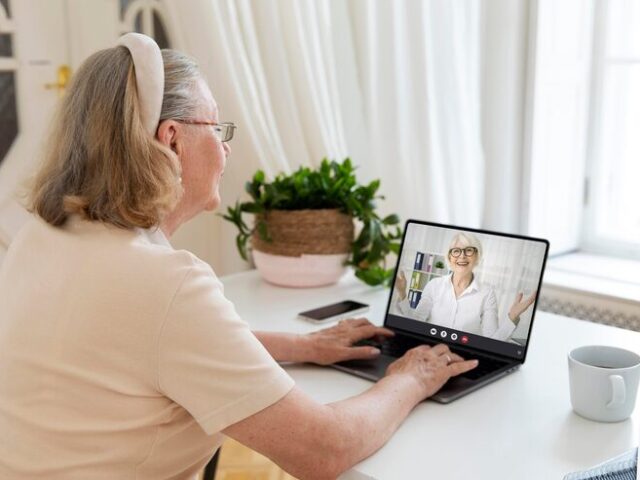
Remote Physical Therapy helps reduce some of these barriers. Patients can complete appropriate therapy exercises at home while receiving professional guidance through virtual sessions, digital treatment plans, progress tracking, and remote communication.
In this article, we explain how remote PT can support recovery at home, why consistency matters, how technology can help track progress, and which patients may benefit most from this approach in the United States.
Why Is Remote Physical Therapy Growing in the United States?
Remote PT can make rehabilitation easier to fit into everyday life. Patients may not need to travel to a clinic for every part of their therapy program. Instead, appropriate exercises can be completed at home while the patient remains connected with a licensed therapist.
For patients across the United States, this can be useful when transportation, distance, work, or mobility limitations make frequent clinic visits difficult.
The main goal is not to replace in-person physical therapy. It is to provide an appropriate option for patients who can safely receive part of their rehabilitation remotely.
Consistency also matters. When therapy fits naturally into a patient’s daily routine, it may become easier to follow the prescribed treatment plan and maintain regular communication with the care team.
How Does Remote PT Improve Access to Physical Therapy in the United States?
For many patients, traveling to a clinic can be difficult. Pain during the journey, stiffness, traffic, parking, and transportation arrangements can add stress to an already challenging recovery.
Remote PT can reduce the need for frequent travel by allowing appropriate patients to complete therapy from home.
This may be especially helpful for:
- Older adults with mobility limitations
- Patients recovering after surgery
- People managing chronic pain
- Patients who have difficulty driving
- People living far from specialized therapy services
- Patients with busy work or family schedules
In the United States, remote physical therapy may also help patients in rural or underserved areas connect with qualified rehabilitation professionals when suitable services are not available nearby.
Access still depends on clinical needs, provider availability, state requirements, insurance, and other healthcare factors. A licensed physical therapist should determine whether remote PT is appropriate for an individual patient.
You Recover in the Environment Where You Actually Live
This matters more than most people realize. In a clinic, the environment is set up perfectly: firm floors, open space, clean lines, professional equipment, proper lighting. At home, you probably don’t have that. You have rugs, furniture, pets walking through, maybe a smaller space.
But here’s the key: you’re going to live in your home after recovery, not in a clinic.
Practicing your movements in your natural environment helps your body adapt in the exact place where you will use those movements every day. That means better balance, better coordination, and more realistic strengthening. Recovering in real-life conditions leads to real-life progress.

Real-Time Guidance Reduces Common Mistakes
One reason many injuries take longer to heal is that people don’t always perform exercises correctly.
Sometimes the knee twists slightly inward.
Sometimes the back rounds a bit too much.
Sometimes you lean to one side without realizing it.
In a traditional clinic, a therapist catches these mistakes but only during the short time you’re with them.
Remote PT, especially when enhanced by AI movement tracking, catches errors the moment they happen. If your angle is off, your form is drifting, or your pace is too fast, the system corrects you. Not in a harsh way, just in a simple, direct “fix it now so you don’t reinforce the wrong pattern” way.
Correcting mistakes early prevents slow recovery and unnecessary pain flare-ups.
And when you feel the exercises working properly, you stay motivated.

Want to Recover Faster Without Leaving Home?
Sign up or log in to access personalized therapy plans, monitor your recovery, and stay on track toward better mobility
Personalized recovery plans
AI-driven health care management with smart alerts and thresholds
Audiovisual therapy education for guided self-rehab
Real-time metrics capture for progress tracking
Why Does Consistency Matter in Remote Physical Therapy?
Physical rehabilitation often requires regular practice between professional therapy sessions. Remote PT can make prescribed exercises easier to fit into a patient’s daily schedule.
Instead of spending additional time traveling to a clinic, patients may be able to complete appropriate exercises from home according to their therapist’s instructions.
For patients in the United States, this flexibility can be helpful when work, family responsibilities, transportation, or distance make traditional schedules difficult.
The goal is not to exercise more than recommended. The goal is to follow the therapist’s treatment plan consistently and safely.
Your Progress Gets Tracked More Accurately
One of the underrated advantages of remote PT is how much data is captured automatically. The system includes powerful features that see patterns you may not feel, like slight improvements in range of motion, quicker movement transitions, or better joint alignment.
This allows your therapy treatment plan to evolve quickly, not just during your next scheduled appointment. If you’re improving faster, the system advances your exercises. If you’re struggling, it adjusts so you don’t feel discouraged. This kind of adaptive support keeps recovery moving forward at the right pace not too slow, not too fast.
It Builds Confidence Without Pressure
A quiet but real part of therapy is how self-conscious people can feel.
Moving awkwardly in front of others.
Worrying you’re not “doing it right.”
Feeling embarrassed if you can’t keep up.
At home, that tension disappears. Remote PT lets you move at your pace, in your space, without worrying about who’s watching. Many patients say they feel more confident trying challenging movements without the pressure of a therapist standing over them.
Confidence helps recovery as much as exercise does. When you feel less judged, you try more. When you try more, you progress more.

It Gives You More Control Over Your Therapy Routine
Remote PT lets you choose the time, the setting, and the rhythm of your sessions.
Morning before work?
Late at night?
In between household chores?
On weekends?
While traveling?
You’re not limited by clinic hours or therapist scheduling. And that flexibility leads to higher long-term commitment. Over time, remote PT becomes part of your routine instead of something you have to plan around.
That shift from “appointment” to “habit” is what makes home-based therapy so powerful.
It Helps Maintain Progress Even After Formal Therapy Ends
Another common issue in recovery is what happens after therapy ends. Many people stop their exercises and slowly lose the strength and mobility they worked so hard to gain.
Remote PT changes that pattern because the structure stays with you. You can continue lighter routines, mobility maintenance, strengthening sessions, or recovery check-ins all without needing to return to the clinic for “tune-up visits.” It makes recovery sustainable, not temporary.
Remote PT Works Especially Well for Certain Conditions
Remote PT isn’t just a convenience tool for many conditions, it’s actually a more practical approach. It works especially well for:
- post-surgery recovery (knee, hip, shoulder, back)
- arthritis pain management
- chronic lower back pain
- post-injury strengthening
- fall prevention and balance training
- neurological mobility routines
- long-term rehabilitation after illness
- patients who simply need structure and accountability
Even seniors who once thought remote therapy would be too “tech-heavy” often find it surprisingly simple once they try it.
The biggest factor is accessibility. When help is always available, it becomes easier to follow through.
How Is AI-Powered Remote PT Changing Rehabilitation?
Remote PT initially relied heavily on video sessions and digital exercise instructions. Today, some platforms also use AI-supported tools to provide additional information about movement and recovery.
Depending on the platform, AI may help:
- Detect posture changes
- Measure joint movement
- Track exercise pacing
- Identify movement patterns
- Monitor recovery progress
- Provide movement feedback
- Organize rehabilitation data
The purpose of AI is to support clinical care, not replace physical therapists. Professional assessment, treatment planning, and clinical judgment remain important.
As digital rehabilitation technology develops, AI-supported tools may help therapists better understand patient performance between scheduled sessions.
Related Posts
What Is Remote Patient Monitoring? Benefits, How It Works, and Why It Matters
Healthcare is no longer limited to hospitals and doctor's offices. Across the United States, healthcare providers are using Remote Patient...
Read More

What Is a Chronic Care Management Plan? Requirements, Benefits, and Best Practices
Managing chronic health conditions has become one of the biggest challenges in modern healthcare. Millions of patients live with long-term...
Read More