Chronic conditions are the defining healthcare challenge of our time. The majority of healthcare spending goes toward managing long-term illnesses like diabetes,...
Read More
Healthcare is moving beyond hospitals and into patients’ homes through intelligent digital care.
Across the United States, healthcare providers are increasingly using Remote Patient Monitoring (RPM) to detect early warning signs, improve chronic disease management, and reduce avoidable hospitalizations.
Instead of waiting for symptoms to worsen, AI-powered monitoring systems continuously track patient health, allowing clinicians to intervene earlier and deliver more proactive, personalized care.
For patients recovering from surgery, managing chronic illnesses, or aging at home, Remote Patient Monitoring is transforming healthcare from reactive treatment to continuous prevention.
What Is Remote Patient Monitoring (RPM) and How Does It Work?
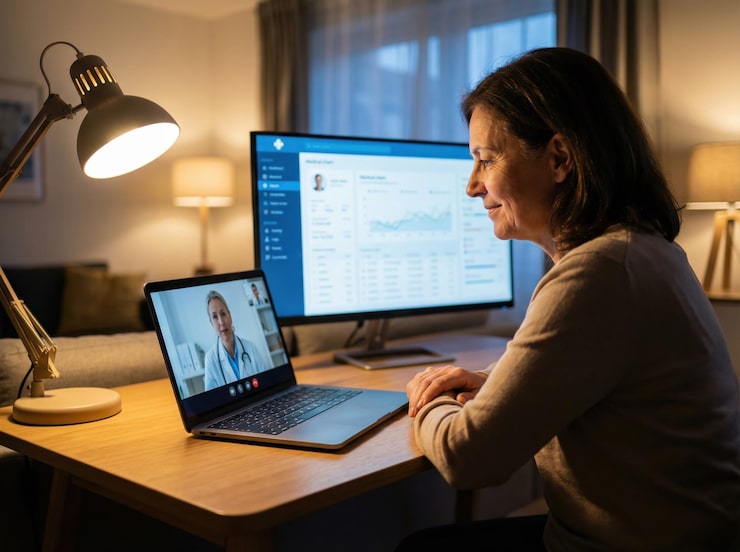
Remote Patient Monitoring is a healthcare model where patient health data is collected outside a traditional clinical setting and transmitted to healthcare providers in real time. Using a connected remote patient monitoring system, doctors can track a comprehensive range of vital health metrics including heart rate, blood pressure, oxygen saturation, blood glucose levels, and physical activity without the patient ever needing to visit a clinic.
How does this happen from the patient’s home?
This is made possible through remote health monitoring devices that patients use daily: wearable fitness and cardiac trackers, smart blood pressure monitors, pulse oximeters, and continuous glucose monitors that sync automatically with care team dashboards. Platforms like VitalWatch365 connect this device data directly to clinical teams, enabling continuous and informed oversight from anywhere.
In simple terms, a patient’s health is being actively watched even on the days they never leave the house and that makes an enormous difference in how quickly problems get caught.
How AI-Powered Remote Patient Monitoring Detects Early Warning Signs?
Across the United States, healthcare providers use Remote Patient Monitoring to identify subtle changes in patient health before they develop into serious medical emergencies. Continuous monitoring allows clinicians to respond earlier and personalize treatment plans based on real-time health data.
One of the most powerful advantages of RPM is early detection and it is the feature that sets remote patient monitoring solutions apart from traditional care models. Standard healthcare depends on scheduled check-ups, which means there are often weeks or months between data points. A great deal can change in that gap, and critical warning signs can go completely unnoticed until they have already developed into a serious problem.
What changes when monitoring becomes continuous?
Remote patient monitoring solutions change this dynamic entirely by providing uninterrupted health insights throughout the day and night. Small but meaningful shifts in a patient’s vitals are flagged as soon as they emerge, giving clinicians the opportunity to respond before a minor issue compounds into a medical emergency.
Key Ways RPM Supports Early Detection
- Identifies abnormal vital signs as they develop not days or weeks later
- Tracks gradual health decline that would be invisible in a single clinical snapshot
- Alerts care teams in real time when readings fall outside individualized safe thresholds
- Enables rapid, targeted medical response when timing is most critical
What does this look like in real life?
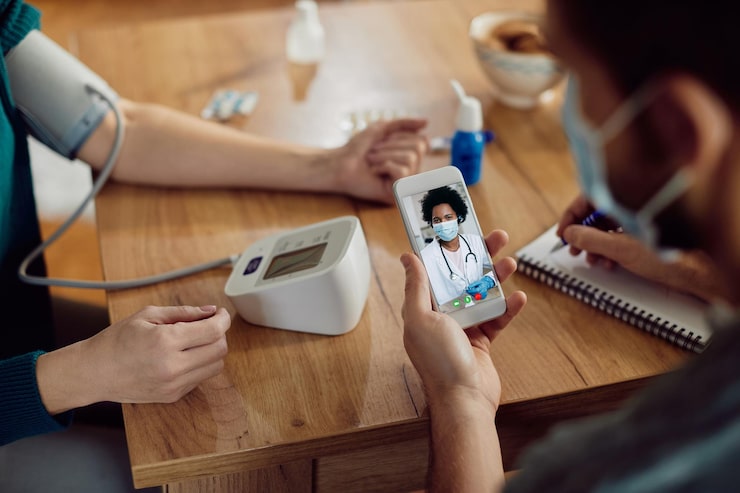
Consider a patient with a consistent but gradual rise in blood pressure. A single clinic reading may not raise concern. But a remote patient monitoring system tracking the trend continuously over days or weeks can flag the pattern early giving a physician the chance to adjust medication or intervene before it leads to a hypertensive crisis or stroke. That is the difference continuous monitoring makes.
Health Changes Before They Become Serious?
Sign up or log in to access personalized health tracking and proactive care management
Personalized recovery plans
AI-driven health care management with smart alerts and thresholds
Audiovisual therapy education for guided self-rehab
Real-time metrics capture for progress tracking
Common Early Warning Signs Detected by Remote Patient Monitoring
Remote monitoring systems are built to recognize health patterns that are not always obvious in the moment but become clinically significant when tracked over time. Without continuous tracking through remote health monitoring devices, these signals frequently go undetected until a patient is already in crisis.
These early warning signs include:
- Sudden spikes or drops in heart rate
- Declining blood oxygen saturation levels
- Irregular or unpredictable blood glucose patterns
- Significant unexplained reductions in physical activity
- Overnight vital changes and sleep disturbances
Example Table:
| Health Metric | Early Warning Sign | Possible Risk |
|---|---|---|
| Heart Rate | Sudden spikes or irregular rhythm | Cardiac issues |
| Blood Pressure | Gradual sustained increase | Hypertension complications |
| Oxygen Levels | Drop below normal range | Respiratory problems |
| Glucose Levels | Frequent or unpredictable fluctuations | Diabetes complications |
Why do these signals matter so much?
Because catching them early means intervening early. A pattern that looks minor on day one can become a hospital admission by day ten without the right monitoring in place. RPM ensures nothing falls through the gap.
Role of Remote Health Monitoring Devices
Remote health monitoring devices are the physical foundation of any effective RPM program. They are what make continuous, home-based clinical monitoring achievable at scale and they have become increasingly easy to use, even for patients with no prior experience with health technology.
Common Devices Used in Remote Monitoring
- Wearable cardiac and fitness trackers: continuous heart rate, rhythm, and activity monitoring
- Smart blood pressure monitors: automated readings synced to care platforms
- Pulse oximeters: real-time oxygen saturation tracking
- Continuous glucose monitors: around-the-clock blood sugar data for diabetic patients
- Connected thermometers and respiratory monitors: early detection of infection or respiratory decline
What makes these devices genuinely useful in a home setting?
These tools are designed for everyday usability without clinical training. They collect health data in real time, sync automatically with care dashboards and mobile applications, and provide continuous monitoring rather than isolated, periodic readings. Because data is captured consistently throughout the day and night not just during an appointment healthcare providers receive a far more accurate and actionable picture of each patient’s condition.
VitalWatch365 connects this device data directly to care teams, making remote health monitoring devices a seamless extension of the clinical environment rather than an isolated consumer gadget.
Benefits of Remote Patient Monitoring for Patients at Home
Healthcare systems across the United States continue expanding RPM programs because they improve patient engagement, reduce hospital readmissions, and help providers manage chronic diseases more efficiently while supporting better long-term health outcomes.
Core Benefits
- Earlier detection of health deterioration before it becomes a crisis
- Fewer hospital visits and a significant reduction in emergency department utilization
- Better chronic disease management through daily data rather than periodic guesswork
- Higher patient engagement as individuals become active participants in their own health
- Faster medical intervention when abnormal patterns are detected
- Reduced healthcare costs for both providers and patients over the long term
Who benefits the most?
Elderly patients and those managing long-term conditions see the greatest impact. The ability to remain at home while still receiving consistent professional oversight through a remote patient monitoring system is one of the most meaningful advances in modern patient care particularly for those who face real barriers to frequent in-person visits.
Simply login or signup to start monitoring your health easily from home.
How Remote Patient Monitoring Improves Chronic Disease Management
Many healthcare organizations in the United States integrate Remote Patient Monitoring with Chronic Care Management (CCM), telehealth, and AI-powered healthcare platforms to deliver coordinated, patient-centered care for individuals living with long-term conditions.
Remote therapeutic monitoring bridges this gap. It gives clinicians the daily visibility they need to manage complex chronic cases effectively, without placing an unsustainable travel burden on the patient.
What can a doctor actually do differently with this data?
With a connected remote patient monitoring system, doctors can track a patient’s condition day by day with objective, continuous data. They can adjust treatment plans quickly in direct response to changes in monitoring data, prevent complications before they occur, and support medication adherence by identifying patterns associated with missed doses or incorrect timing.
A Real-World Example: Diabetes Management
A patient managing Type 2 diabetes using remote health monitoring devices can track their glucose levels continuously throughout the day and night. When readings fall outside their personal target range, automated alerts notify both the patient and their care team immediately. Their physician can respond with timely guidance adjusting insulin dosage, recommending dietary changes, or scheduling a virtual consultation all without an emergency clinic visit.
This reduces crisis situations, supports consistent disease management, and significantly improves long-term health outcomes for a condition that demands daily attention to control effectively.
How AI-Powered Alerts Improve Patient Safety
Modern remote patient monitoring solutions are built around intelligent, automated alert systems that transform continuous data into timely clinical action. This is where remote therapeutic monitoring demonstrates its most immediate and life-critical value.
How the Alert System Works: Step by Step
- Health data is collected continuously by connected remote health monitoring devices
- The remote patient monitoring system analyzes incoming data against each patient’s personalized thresholds
- When an abnormal reading or pattern is detected, an immediate alert is sent to the care team, caregiver, or both
- The provider reviews the alert and responds adjusting the care plan, contacting the patient, or escalating to emergency services if necessary
Why does faster response time matter so much?
Because in conditions like cardiac arrhythmia, oxygen desaturation, or dangerously high or low blood glucose, the gap between detection and response directly affects outcomes. Remote patient monitoring solutions shrink that gap from days to minutes and that difference can determine whether a patient is treated at home or rushed to an emergency department.
Remote therapeutic monitoring turns the window between appointments from a clinical blind spot into a fully supervised period of care.
Traditional Patient Monitoring vs. AI-Powered Remote Patient Monitoring
The comparison is stark. Traditional monitoring is reactive it responds to problems after they surface and only during scheduled appointments. Remote patient monitoring solutions are proactive they identify and address problems continuously, before they escalate.
Comparison: Traditional Monitoring vs. Remote Monitoring
| Feature | Traditional Monitoring | Remote Monitoring |
|---|---|---|
| Data Collection | Occasional | Continuous |
| Detection | Late | Early |
| Patient Involvement | Low | High |
| Response Time | Slower | Faster |
What does this mean for the future of patient care?
It means the standard of care is shifting. Continuous monitoring through a remote patient monitoring system is becoming the expectation not the exception for patients managing complex or long-term health conditions.
Real-World Remote Patient Monitoring Use Cases
Remote patient monitoring solutions are delivering results across a wide range of clinical scenarios today not in the future, but right now.
Can remote monitoring support recovery after major surgery?
Yes. Patients recovering from knee replacements, cardiac procedures, spinal surgeries, and hip replacements use remote health monitoring devices to maintain supervised recovery at home. Guided exercises, continuous vital tracking, and direct care team communication replace the need for multiple weekly clinic visits during the most critical recovery period reducing cost, inconvenience, and infection risk.
Chronic Condition Management
Conditions like arthritis, COPD, chronic kidney disease, and heart failure require sustained, long-term monitoring. Remote patient monitoring solutions give care teams the daily data they need to manage these conditions proactively catching deterioration early instead of waiting for a crisis to bring the patient back into the clinic.
Elderly Patient Care
Elderly patients often face the greatest barriers to consistent in-person care transportation difficulty, fall risk during travel, physical fatigue, and limited mobility. Remote therapeutic monitoring brings clinical-grade oversight directly to them at home, supporting safer, more consistent care without the logistical burden of frequent clinic visits.
Post-Stroke and Neurological Rehabilitation
Neurological recovery demands repetition, consistency, and close monitoring over extended timelines. A remote patient monitoring system ensures that recovery metrics are captured daily, compliance with rehabilitation programs is tracked, and any concerning changes are flagged to the clinical team immediately keeping recovery on course between formal therapy sessions.
Challenges of Remote Patient Monitoring
Yes and being honest about them is important. RPM offers compelling advantages, but successful implementation requires addressing its real-world challenges directly.
Device accuracy: The reliability of data depends on device quality and how correctly it is used. Without proper patient education and onboarding, readings may not be clinically meaningful.
Data privacy and security: Remote patient monitoring solutions handle highly sensitive health information. Platforms must comply with applicable healthcare data regulations and employ robust encryption and access controls to protect patient privacy at every stage.
Patient adaptability: Not every patient, particularly older adults, adapts immediately to digital health tools. Clear, patient-centered onboarding support is the difference between successful adoption and early dropout.
Internet dependency: Continuous monitoring requires a stable internet connection, which can present a barrier in rural or underserved communities.
Are these challenges dealbreakers?
No. Each one is solvable, and all of them are decreasing as technology improves, costs fall, and digital health literacy grows across patient populations. The long-term trajectory of remote patient monitoring solutions is clearly toward wider, more reliable, and more equitable access.
The Future of AI-Powered Remote Patient Monitoring in the United States
As digital healthcare continues evolving across the United States, AI-powered Remote Patient Monitoring is expected to become a standard component of preventive healthcare, post-acute recovery, and chronic disease management.
What to Expect in the Coming Years
- AI-driven health insights that identify risk patterns and predict health events before clinical symptoms appear
- More accurate, comfortable wearable devices with expanded measurement capabilities and longer battery life
- Deeper integration with telehealth platforms for a seamless, fully connected care experience from device to clinician
- Predictive healthcare systems that shift the medical model from treatment to prevention at the individual level
- Broader accessibility as costs decrease and connectivity improves across underserved areas
What does this mean for the broader healthcare system?
It means the healthcare model itself is changing. The remote patient monitoring system will become as standard a part of patient care as a prescription or a follow-up appointment not a specialist service, but a routine one.
Related Posts
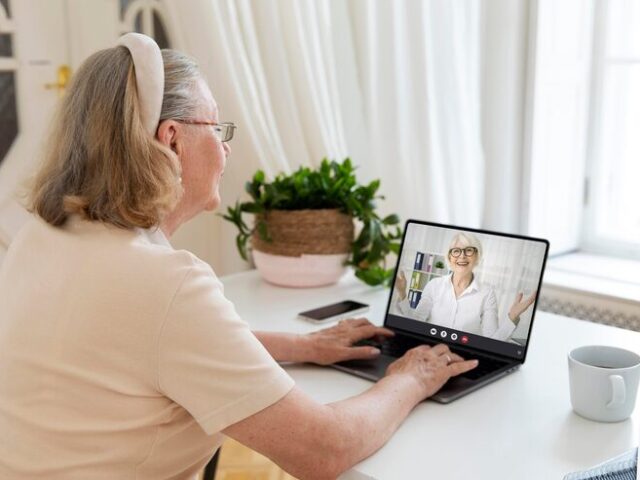
What Is Remote Patient Monitoring? Benefits, How It Works, and Why It Matters
Healthcare is no longer limited to hospitals and doctor's offices. Across the United States, healthcare providers are using Remote Patient...
Read More
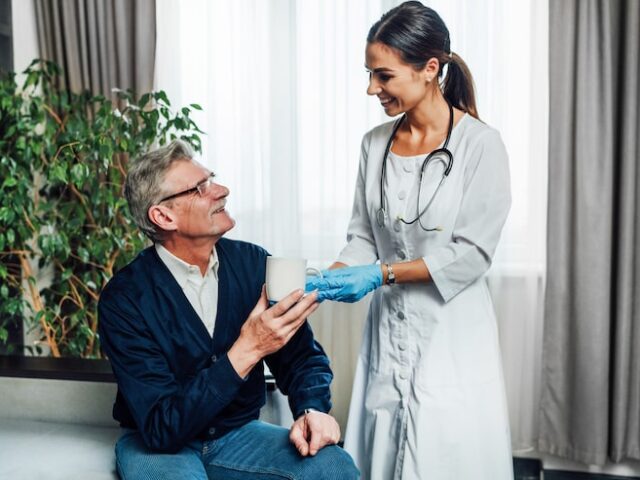
What Is a Chronic Care Management Plan? Requirements, Benefits, and Best Practices
Managing chronic health conditions has become one of the biggest challenges in modern healthcare. Millions of patients live with long-term...
Read More