
Chronic conditions are the defining healthcare challenge of our time. The majority of healthcare spending goes toward managing long-term illnesses like diabetes,...
Read More
Managing a chronic condition requires more than occasional medical appointments. Across the United States, healthcare providers are increasingly adopting Chronic Care Management (CCM) programs to deliver continuous, coordinated care for patients living with long-term conditions such as diabetes, hypertension, heart disease, COPD, and arthritis. Supported by AI-powered healthcare technology, structured care plans, and remote patient monitoring, these programs help improve patient outcomes, strengthen care coordination, and reduce avoidable hospitalizations. As value-based healthcare continues expanding throughout the United States, Chronic Care Management has become an essential strategy for delivering proactive, patient-centered care.
What Is Chronic Care Management in Healthcare?
Chronic care refers to the ongoing management of long-term health conditions that require continuous monitoring, treatment, and coordination over time. Unlike acute care which addresses a specific illness or injury in the short term chronic care is designed to support patients through conditions that don’t resolve and must be actively managed to prevent deterioration.
The focus of chronic care is threefold:
- Long-term health improvement through consistent, evidence-based treatment
- Complication prevention by catching warning signs before they escalate
- Cross-provider coordination to ensure every member of a patient’s care team is working from the same picture
Without a structured approach, patients with chronic conditions often fall through the gaps missing follow-ups, inconsistently managing medications, and receiving fragmented care from providers who aren’t well-connected with each other. A chronic care management program exists specifically to close those gaps.

What Is a Chronic Care Management (CCM) Program?
Across the United States, hospitals, physician practices, and healthcare organizations use Chronic Care Management programs to coordinate long-term treatment, strengthen communication among care teams, and provide personalized support between office visits.
A well-designed program typically includes:
- Regular patient monitoring to track health metrics and detect changes early
- Personalized care plans that reflect each patient’s medical history, current condition, and lifestyle
- Ongoing health progress tracking to identify trends and adjust treatment as needed
- Clear communication channels between patients and their care teams
The care plan sits at the center of the program. It’s a living document updated as the patient’s condition evolves not a static set of notes created at one appointment and forgotten by the next. Effective care plan management ensures that every provider involved in a patient’s care is working from current, consistent information.
Why Care Management Is Essential in Modern Healthcare
Care management brings structure and coordination to a system that, without it, can become fragmented and reactive. For patients managing chronic conditions, that coordination is not a convenience it’s a clinical necessity.
The core responsibilities of patient care management cover several interconnected functions:
Key Responsibilities:
| Role Area | What It Involves |
|---|---|
| Care Coordination | Connecting doctors, specialists, and patients |
| Monitoring | Tracking patient health regularly |
| Communication | Keeping patients informed |
| Follow-Ups | Ensuring timely care |
| Data Tracking | Recording health progress |
When care management is missing or inconsistent, the consequences are predictable: missed medications, skipped appointments, undetected complications, and avoidable hospitalizations. Structured care plan management prevents those outcomes by building accountability and continuity into the care process itself.
How Chronic Care Management Improves Long-Term Patient Outcomes
Providers throughout the United States increasingly combine Chronic Care Management with Remote Patient Monitoring (RPM) and AI-powered digital health platforms to identify health risks earlier and improve long-term patient outcomes.
Does Continuous Monitoring Make a Clinical Difference?
Yes, and significantly so. Patients in chronic care management programs are monitored on an ongoing basis, not just during scheduled visits. That continuous visibility allows care teams to detect changes early, identify patterns that suggest a developing complication, and adjust treatment plans before the situation deteriorates.
For conditions like hypertension or diabetes, where small changes in key metrics can have serious downstream consequences, early detection isn’t just beneficial it’s often the difference between a managed condition and a medical emergency.
Why Do Personalized Care Plans Matter?
No two patients with the same diagnosis are managing the same condition. A 55-year-old with Type 2 diabetes who is physically active and well-nourished has different needs than a 70-year-old with the same diagnosis managing multiple comorbidities. Effective care plan management accounts for those differences.
Every patient in a chronic care management program receives a customized plan based on their medical history, current condition, lifestyle, and goals. That personalization improves both the relevance of the care delivered and the patient’s likelihood of following through with it.
How Does Better Patient Engagement Affect Outcomes?
Patients who understand their condition and feel actively supported are more likely to manage it consistently. Chronic care programs improve engagement through structured reminders, regular check-ins, accessible communication with care teams, and clear explanations of what the data means.
That engagement builds health literacy over time. Patients become partners in their own care rather than passive recipients of treatment and that shift in dynamic consistently produces better long-term outcomes.
Can Chronic Care Management Reduce Hospital Visits?
This is one of the most well-documented benefits of structured chronic care programs. Proactive monitoring and early intervention reduce the frequency of acute episodes that would otherwise result in emergency visits or unplanned hospitalizations.
When patients receive consistent support and early warnings are acted upon promptly, the conditions that drive avoidable readmissions unmanaged blood pressure, poor glucose control, medication non-adherence are caught and corrected before they become crises.
How Does Improved Provider Coordination Benefit Patients?
Chronic conditions rarely involve just one provider. A patient with heart disease may see a cardiologist, a primary care physician, a dietitian, and a pharmacist often with limited communication between them. When care teams operate in silos, patients experience inconsistent advice, duplicate testing, and gaps in treatment.
Chronic care management addresses this by creating shared visibility across the care team. Providers work from the same care plan, updated in real time, with clear accountability for each element of the patient’s treatment. The result is more consistent diagnosis, more coordinated treatment, and better overall outcomes.

Ready to Take Control of Your Long-Term Health?
Sign up or log in to access your care plan, health insights, and ongoing support
Personalized recovery plans
AI-driven health care management with smart alerts and thresholds
Audiovisual therapy education for guided self-rehab
Real-time metrics capture for progress tracking
Who Qualifies for Chronic Care Management in the United States?
To qualify for a chronic care management program, patients generally need to have two or more chronic conditions that are expected to last at least 12 months and that place them at significant risk of health complications or functional decline.
Conditions that commonly qualify include:
- Diabetes (Type 1 and Type 2)
- Hypertension (high blood pressure)
- Heart disease and related cardiovascular conditions
- Chronic Obstructive Pulmonary Disease (COPD)
- Asthma
- Arthritis (osteoarthritis and rheumatoid arthritis)
Eligibility criteria can vary depending on the provider, the care program, and applicable clinical guidelines. Patients who are uncertain whether they qualify should speak with their primary care provider for a formal assessment.
To begin your experience, login if you already have an account, or signup to get started.
Key Benefits of Chronic Care Management Programs
Healthcare systems across the United States continue expanding CCM services because they improve patient engagement, strengthen medication adherence, reduce avoidable hospital readmissions, and support value-based healthcare initiatives.
For Patients Chronic care management delivers more than medical oversight. Patients benefit from better health outcomes through consistent, proactive treatment; fewer complications because warning signs are caught earlier; improved quality of life as conditions are kept stable; and continuous support that reduces the isolation and uncertainty that often accompanies long-term illness.
For Healthcare Providers Providers gain cleaner workflows and better visibility into their patient populations. Structured care plan management reduces the administrative burden of uncoordinated care, improves the consistency of treatment delivery, and strengthens long-term patient relationships which in turn supports both clinical outcomes and practice sustainability.
For Healthcare Systems At the system level, chronic care management reduces hospital burden by preventing avoidable admissions, improves resource allocation by directing care to where it’s most needed, and lowers long-term costs by investing in prevention rather than repeated acute intervention.

How Chronic Care Management Reduces Healthcare Costs
Yes, and the evidence is consistent across healthcare systems. Chronic care management reduces overall healthcare costs by addressing the specific drivers of expensive care: avoidable hospital admissions, emergency department visits, and the cumulative expense of poorly managed conditions.
The cost savings in a well-run program come from:
- Fewer hospitalizations as complications are prevented or caught early
- Reduced emergency visits through proactive monitoring and timely intervention
- Better medication adherence which prevents costly disease progression
- Early detection of deteriorating conditions that are far less expensive to manage before they escalate
There is an upfront investment involved in building and running a structured program. But for most healthcare organizations, the downstream savings and the improved patient outcomes that accompany them make chronic care management a financially sound long-term decision.
Financial Benefits of Chronic Care Management for Healthcare Providers
Yes. Beyond its clinical value, chronic care management offers genuine financial viability for healthcare practices and systems.
Providers have access to reimbursement opportunities for documented chronic care management services, which helps offset program costs. Structured programs also improve operational efficiency by reducing the ad-hoc burden of managing poorly coordinated patients reactively. And consistent, ongoing engagement with chronic care patients supports stronger retention and more stable patient-provider relationships over time.
Programs like principal care management also help providers focus on high-risk patients while maintaining revenue streams. Steps to Implement Successful PCM Program include identifying eligible patients, creating structured care plans, ensuring consistent monitoring, and using digital tools to track progress and improve outcomes.
What Is the Difference Between Chronic Care Management and Principal Care Management?
Both chronic care management (CCM) and principal care management (PCM) serve patients with complex long-term conditions but they are designed for different clinical scenarios.
| Feature | Chronic Care Management | Principal Care Management |
|---|---|---|
| Conditions | Multiple | Single high-risk condition |
| Focus | Overall health | Specific condition |
| Use Case | General chronic patients | Targeted care |
The right approach depends on the patient’s clinical profile. For patients managing several conditions simultaneously, CCM provides the broad coordination they need. For patients whose primary risk centers on one complex condition, PCM allows for more focused, intensive management of that specific issue.
How AI and Digital Healthcare Improve Chronic Care Management
AI-powered healthcare platforms are becoming increasingly common throughout the United States, helping providers automate care coordination, monitor patient progress, and deliver more personalized Chronic Care Management services.
Modern digital platforms improve care plan management by automating routine follow-ups that would otherwise require manual outreach, tracking patient health data in real time through connected devices and apps, enabling remote monitoring so providers can maintain visibility without requiring frequent in-person visits, and improving communication between patients and care teams through secure, accessible digital channels.
The result is less manual administrative work for care teams, more consistent oversight of patient populations, and faster identification of patients who need attention. Platforms like VitalWatch365 support this connected model by combining real-time monitoring, structured care coordination, and actionable patient insights giving providers the tools to deliver proactive, personalized chronic care at scale.
How Artificial Intelligence Is Transforming Chronic Care Management
Artificial Intelligence is changing Chronic Care Management by helping healthcare providers analyze patient information, identify health risks, automate routine documentation, and personalize long-term treatment plans. AI-powered healthcare platforms continuously monitor patient trends, generate predictive alerts, support medication adherence, and improve communication between patients and care teams.
Healthcare organizations across the United States increasingly rely on AI-assisted Chronic Care Management to improve operational efficiency while delivering more proactive, patient-centered healthcare.
Related Posts
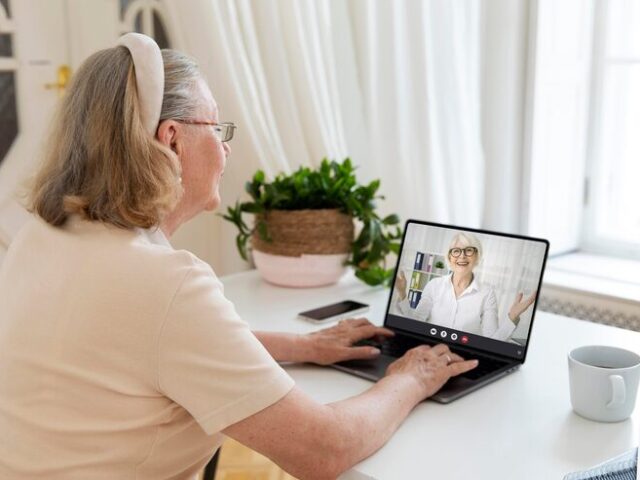
What Is Remote Patient Monitoring? Benefits, How It Works, and Why It Matters
Healthcare is no longer limited to hospitals and doctor's offices. Across the United States, healthcare providers are using Remote Patient...
Read More

What Is a Chronic Care Management Plan? Requirements, Benefits, and Best Practices
Managing chronic health conditions has become one of the biggest challenges in modern healthcare. Millions of patients live with long-term...
Read More