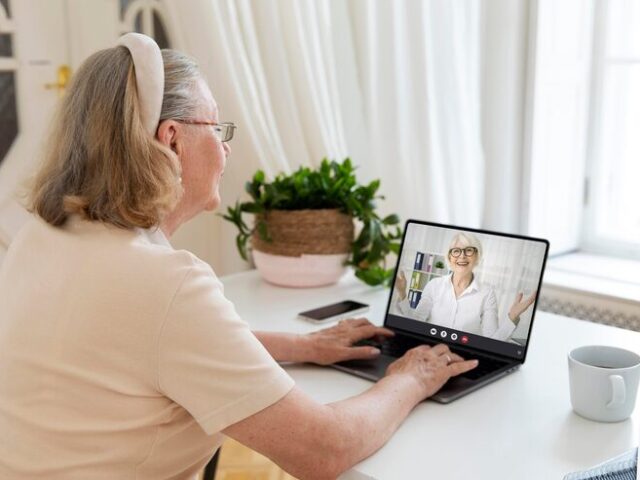
Recovering from an injury, surgery, or chronic pain requires consistent rehabilitation and professional guidance. Across the United States, more patients are choosing physical therapy exercises at home because they provide greater flexibility, convenience, and access to personalized rehabilitation without frequent clinic visits. With the growth of Remote Physical Therapy, AI-powered rehabilitation platforms, and virtual care, patients can now receive expert guidance, monitor recovery, and safely complete therapy exercises from home. As healthcare providers throughout the United States continue expanding digital rehabilitation services, home-based physical therapy has become a trusted solution for improving recovery outcomes while reducing unnecessary travel and hospital visits.
Table of Contents
ToggleWhy More Patients in the United States Choose Physical Therapy at Home
Across the United States, hospitals, rehabilitation centers, and outpatient clinics are expanding home-based physical therapy programs to improve patient access, strengthen treatment adherence, and support long-term recovery through digital healthcare technologies.
Convenience and flexibility. Instead of traveling to a clinic several times a week, you can do your exercises whenever they fit your schedule. That flexibility makes it far easier to stick with a regular routine.
Less travel, fewer clinic visits. If you’re recovering from surgery, dealing with limited mobility, or managing chronic pain, frequent trips to a therapy center can be exhausting. Remote sessions and online PT classes cut out the unnecessary travel while keeping professional support within reach.
Access to certified therapists online. Modern remote physical therapy platforms connect you with licensed therapists who build your exercise plan, correct your posture, and monitor your progress all while you stay at home.
Better consistency. Recovery depends on doing the work regularly. Because home therapy removes obstacles like travel and scheduling conflicts, most patients find it much easier to keep their routines going.
| Benefit | Why It Matters |
|---|---|
| Flexible scheduling | Easier to stay consistent |
| Reduced travel | Less physical strain |
| Remote supervision | Professional guidance at home |
| Personalized programs | Faster and safer recovery |
How to Safely Perform Physical Therapy Exercises at Home

Home therapy is convenient, but safety always comes first. The right technique prevents injury and keeps your rehabilitation on track.
Follow professional guidance
Licensed physical therapists throughout the United States increasingly deliver virtual consultations and personalized rehabilitation plans using secure Remote Physical Therapy platforms that improve patient engagement and recovery outcomes.
Set up a safe exercise space
Your workout area should be comfortable and hazard-free. A few essentials:
- Clear the floor of obstacles
- Use a non-slip mat for stability
- Keep supportive furniture nearby if you need help with balance
- Make sure the lighting is good
A well-prepared space lowers the risk of slips and strains.

Personalized recovery plans
AI-driven health care management with smart alerts and thresholds
Audiovisual therapy education for guided self-rehab
Real-time metrics capture for progress tracking
Why Warming Up Is Essential Before Physical Therapy Exercises
Starting your exercises without warming up can increase the risk of muscle strain or discomfort. A short 5–10 minute warm-up prepares your body for movement and improves flexibility.
Simple warm-up activities include:
- Gentle walking around your home
- Shoulder rolls and neck stretches
- Ankle circles and leg swings
- Deep breathing exercises
- Light range-of-motion movements
A proper warm-up improves circulation, loosens stiff joints, and helps your muscles respond better during rehabilitation.
Why Proper Exercise Form Improves Recovery
One of the biggest mistakes people make during physical therapy exercises at home is rushing through movements. Completing more repetitions with poor technique can delay recovery or worsen an injury.
To maintain proper form:
- Move slowly and with control.
- Follow your therapist’s instructions carefully.
- Watch demonstration videos provided during your remote physical therapy sessions.
- Use a mirror to monitor your posture if recommended.
- Stop immediately if you experience sharp or unusual pain.
Quality of movement always matters more than the number of repetitions.
Recognize Warning Signs During Home Physical Therapy
Some mild muscle soreness during rehabilitation is normal, especially when beginning a new exercise program. However, severe pain is never a sign of progress.
Contact your therapist if you experience:
- Sharp or shooting pain
- Sudden swelling
- Numbness or tingling
- Loss of balance
- Increased pain lasting more than 24 hours
Regular communication through virtual physical therapy allows therapists to adjust your treatment plan before small problems become larger setbacks.
How Consistency Improves Physical Therapy Results
Many healthcare organizations across the United States encourage patients to combine home exercises with Remote Physical Therapy because consistent monitoring and regular therapist feedback improve long-term rehabilitation success.
To stay consistent:
- Schedule therapy sessions at the same time each day.
- Set reminders on your phone.
- Keep your exercise equipment in one location.
- Track completed sessions in a recovery journal or mobile app.
- Attend every scheduled remote check-in with your therapist.
Patients who consistently follow their personalized rehabilitation plan often experience better mobility, reduced pain, and faster functional improvement.
Who Benefits Most from Home-Based Physical Therapy?
Home rehabilitation can support recovery for a wide range of conditions when supervised by a licensed professional.
Patients who commonly benefit include:
- Individuals recovering after orthopedic surgery
- People managing chronic back or neck pain
- Stroke survivors requiring ongoing rehabilitation
- Patients recovering from sports injuries
- Older adults improving balance and mobility
- Individuals with arthritis or joint stiffness
- People recovering from fractures
- Patients managing neurological conditions
- Individuals with limited transportation or mobility challenges
Remote care makes rehabilitation more accessible while maintaining continuity of treatment.
Recover Safely with Smarter Physical Therapy
Download the VitalWatch365 app for Android or iOS to access therapy exercises, track recovery, and stay connected with your care team anytimeHow AI-Powered Remote Physical Therapy Improves Recovery
AI-powered rehabilitation platforms are becoming increasingly common across the United States, helping therapists monitor patient progress, evaluate movement quality, and personalize treatment plans using real-time recovery data.
Through remote physical therapy, patients can:
- Meet licensed physical therapists virtually
- Receive customized exercise programs
- Join guided online PT classes
- Demonstrate exercises for real-time corrections
- Monitor progress through secure digital platforms
- Communicate questions between appointments
- Stay accountable with scheduled follow-ups
This combination of convenience and professional oversight helps patients continue rehabilitation safely from home.
How Artificial Intelligence Is Improving Home Physical Therapy
Artificial Intelligence is transforming home-based physical therapy by helping therapists analyze patient movement, monitor exercise performance, identify recovery trends, and personalize rehabilitation plans using real-time data. AI-powered rehabilitation platforms provide automated progress tracking, exercise reminders, movement analysis, and early alerts when recovery is not progressing as expected.
Healthcare providers throughout the United States increasingly integrate AI with Remote Physical Therapy to improve patient engagement, reduce recovery delays, and deliver more personalized rehabilitation outside traditional clinical settings.
The Future of Home Physical Therapy in the United States
Physical therapy exercises at home can be a safe and effective way to recover when performed under the guidance of a licensed therapist. By following a personalized treatment plan, maintaining proper form, and staying consistent, you can improve mobility and reduce pain from the comfort of your home. With VitalWatch365’s remote physical therapy platform, healthcare providers can deliver personalized virtual care, helping patients achieve better rehabilitation outcomes while staying connected throughout their recovery.
Frequently Asked Questions
Yes, physical therapy exercises at home can be safe when performed correctly and under professional guidance. It is always recommended to consult a licensed therapist before starting any rehabilitation program. Using Remote physical therapy platforms can also help ensure exercises are performed safely with expert supervision.Â
The frequency depends on your injury, recovery stage, and therapist’s recommendation. In many cases, therapists suggest performing exercises 3–5 times per week to maintain consistency and support recovery.Â
Remote physical therapy can effectively support many rehabilitation programs, especially for follow-ups, guided exercises, and progress monitoring. However, some complex conditions may still require occasional in-person assessments. If you would like to learn more about how remote therapy can support your recovery, feel free to contact us for guidance and personalized support.
Most physical therapy exercises at home require minimal equipment. Common items include:Â
- Resistance bandsÂ
- Yoga or exercise matsÂ
- Stability ballsÂ
- Light dumbbellsÂ
- Supportive chairsÂ
Your therapist may recommend specific tools based on your treatment plan.Â
Â
Mild discomfort during rehabilitation can be normal, but sharp or increasing pain is a warning sign. If pain occurs:Â
- Stop the exercise immediatelyÂ
- Rest the affected areaÂ
- Contact your therapist for guidanceÂ
Adjustments to the exercise routine may be necessary.Â