Chronic conditions are the defining healthcare challenge of our time. The majority of healthcare spending goes toward managing long-term illnesses like diabetes,...
Read More
Healthcare is steadily moving beyond hospitals and into patients’ everyday lives. Across the United States, Remote Patient Monitoring (RPM) is helping healthcare providers deliver continuous, connected care while reducing unnecessary hospital visits. Instead of relying only on scheduled appointments, AI-powered Remote Patient Monitoring allows clinicians to monitor patient health in real time, detect early warning signs, and provide personalized care from virtually anywhere. As healthcare systems throughout the United States continue adopting digital health technologies, Remote Patient Monitoring is becoming an essential part of chronic disease management, recovery monitoring, and value-based healthcare.
What Is Remote Patient Monitoring (RPM) in the United States?
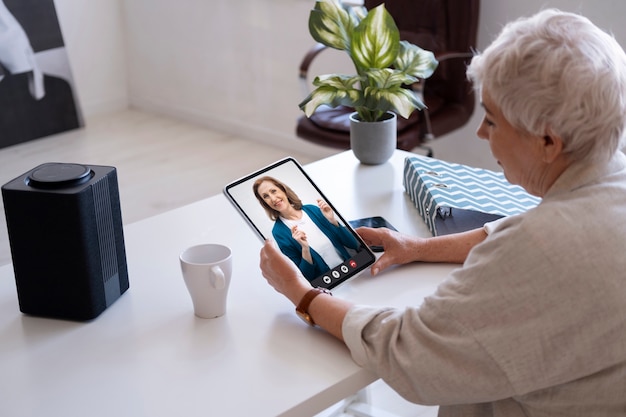
Hospitals, physician practices, and home healthcare providers throughout the United States increasingly use Remote Patient Monitoring to improve clinical decision-making, reduce avoidable hospital readmissions, and provide continuous care between appointments.
The data might include:
- Vital signs
- Activity levels
- Recovery markers
- Therapy adherence
- Symptom trends
RPM doesn’t replace in-person care. It fills the long gaps between visits where most health changes happen, but often go unseen.
How Recovery Monitoring Solutions Improve Patient Outcomes in the United States
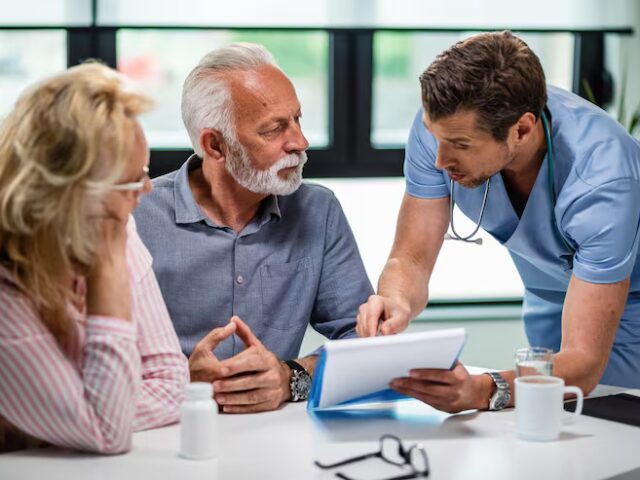
Across the United States, healthcare organizations are using recovery monitoring technologies to support patients recovering from surgery, injury, stroke, and chronic illnesses while improving communication between patients and care teams.
Recovery monitoring solutions help bridge that gap. By tracking movement, pain indicators, vitals, or therapy activity, care teams can see how recovery is actually progressing. Not how it’s assumed to be going.
Remote Health Monitoring: Advancing Continuous Patient Care outside Clinical Settings
Traditional healthcare works in snapshots. A visit here. A test there. Everything in between is mostly invisible. Remote care monitoring changes that model. Instead of relying on occasional data points, providers receive a steady stream of information over time. Patterns become clearer and small changes don’t get lost.
This matters most for patients managing chronic conditions or long recovery cycles. Blood pressure trends, heart rate variability, and activity consistency tell a fuller story than a single reading in a clinic. With remote care monitoring, healthcare providers can continuously track these indicators and respond earlier when something begins to shift.
Rather than reacting only to major events, care teams can recognize trends and make more informed decisions. This approach often leads to fewer emergencies and more balanced care planning. It also helps patients feel less alone. Knowing someone is quietly watching over their health through remote care monitoring builds confidence and encourages better long-term self-care.
Want Smarter Remote Patient Monitoring?
Sign up or log in to access real-time health insights, personalized care plans, and continuous patient monitoring
Personalized recovery plans
AI-driven health care management with smart alerts and thresholds
Audiovisual therapy education for guided self-rehab
Real-time metrics capture for progress tracking
Remote Therapeutic Monitoring (RTM): Driving Personalized & Outcome-Based Care
Healthcare providers throughout the United States increasingly combine Remote Therapeutic Monitoring (RTM) with AI-powered rehabilitation platforms to improve therapy adherence, personalize treatment plans, and support better patient outcomes.
This is especially useful in:
- Physical therapy
- Rehabilitation programs
- Chronic pain management
- Post-operative recovery
RTM tracks adherence. Are exercises being done? Are movements improving? Is the patient compensating incorrectly? Instead of guessing, therapists see real usage data. That changes conversations. It also changes outcomes.
Care becomes more personalized, because decisions are based on what the patient is actually doing, not what they say they’re doing (and most people don’t mean to be inaccurate). RTM also supports outcome-based care models, where success is measured by improvement, not just sessions completed.
Login to access your personalized dashboard or Signup today to start tracking your progress.
Remote Patient Monitoring Solutions: Scalable Technology for Modern Healthcare
Scalability is key here. RPM systems can support dozens, hundreds, or thousands of patients without requiring linear increases in workload.
This makes RPM especially valuable for:
- Health networks
- Home health providers
- Post-acute care teams
- Chronic disease programs
VitalWatch365 is one example of a platform designed to support this kind of scalable monitoring. It focuses on continuity, clarity, and real-time visibility, rather than overwhelming dashboards.
Remote Health Monitoring Devices: Clinical-Grade Tools for Continuous Care
Devices are the front line of remote monitoring. If they’re inaccurate or uncomfortable, the whole system breaks down.
Modern remote health monitoring devices are designed to be:
- Clinical-grade
- Easy to use
- Reliable over long periods
- Non-disruptive to daily life
Wearables, sensors, and connected tools collect data passively or with minimal effort from the patient. That’s important. If devices require constant attention, people stop using them.
The best devices blend into daily routines. Patients forget they’re even being monitored, which is usually a good sign. When paired with strong platforms, device data becomes actionable insight instead of noise.
How Patients Experience Remote Monitoring
From the patient side, RPM should feel supportive, not controlling.
Most patients don’t want to think about their condition all day. They want to live their lives. Remote monitoring allows that while keeping a safety net in place.
Patients often report:
- Fewer unnecessary visits
- Faster responses when issues arise
- More confidence during recovery
- Clearer understanding of progress
There’s also something reassuring about objective data. It removes guesswork and anxiety.
How Providers Use Remote Monitoring Data
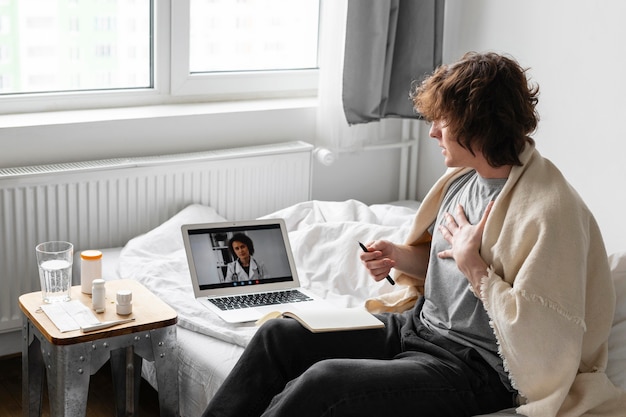
For clinicians, RPM data adds context.
Instead of asking, “How have you been since last time?” and relying on memory, providers see real trends.
That leads to:
- More focused appointments
- Better clinical decisions
- Earlier intervention
- Improved outcomes
It also changes how care is delivered. Teams work proactively, not reactively.
Data Security and Privacy Considerations
Healthcare data is sensitive. There’s no way around that.
Responsible remote patient monitoring platforms prioritize:
- Secure data transmission
- Role-based access
- Compliance with healthcare regulations
- Transparent data handling policies
Patients need to trust the system for it to work. That trust comes from clear communication and strong safeguards.
Related Posts
What Is Remote Patient Monitoring? Benefits, How It Works, and Why It Matters
Healthcare is no longer limited to hospitals and doctor's offices. Across the United States, healthcare providers are using Remote Patient...
Read More
What Is a Chronic Care Management Plan? Requirements, Benefits, and Best Practices
Managing chronic health conditions has become one of the biggest challenges in modern healthcare. Millions of patients live with long-term...
Read More