Chronic conditions are the defining healthcare challenge of our time. The majority of healthcare spending goes toward managing long-term illnesses like diabetes,...
Read More
Cancer care is no longer limited to hospitals. Today, many patients receive treatment at outpatient clinics or recover safely at home. Chemotherapy, radiation therapy, immunotherapy, and oral cancer medications often continue outside the hospital. This shift gives patients more flexibility while keeping treatment accessible. In the United States, healthcare providers are increasingly using digital care solutions to support patients between appointments.
Home-based cancer treatment is more convenient, but it also creates new challenges. Patients may develop side effects between appointments without immediate medical attention. Remote Patient Monitoring (RPM) helps close this gap by keeping care teams connected through real-time health data. Side effects don’t follow a clinic schedule. Fatigue, nausea, dehydration, and fever can develop and escalate between appointments, often without any clinical oversight in place.
Globally, over 19 million new cancer cases are diagnosed each year. By 2030, that number is projected to surpass 24 million. Oncology teams are already managing higher patient volumes, with less time per patient. Delivering continuous support through traditional care models is becoming increasingly difficult.
Remote Patient Monitoring (RPM) is helping to fill that gap. By using connected devices and digital platforms, RPM allows care teams to track patient health data in real time outside the clinic. Instead of waiting for the next scheduled visit, clinicians can identify changes early, respond faster, and intervene before complications escalate.
It’s a practical evolution in cancer care. And it’s working.
Why Traditional Cancer Care Needs Better Remote Monitoring
Traditional cancer care depends on scheduled appointments, making it difficult to detect health changes between visits. Remote Patient Monitoring (RPM) provides continuous health tracking, helping healthcare providers identify problems earlier and improve patient outcomes.
Treatment Fatigue and Frequent Travel
Cancer treatment already places significant physical strain on patients. When you add long travel times, extended waits, and repeated assessments, fatigue compounds. Nearly 35% of oncology patients travel more than 50 miles for treatment, according to a 2023 patient care survey. For families and caregivers, that burden adds up quickly.
Many cancer patients in the United States, especially those living in rural or underserved communities, travel long distances for treatment. Remote Patient Monitoring helps reduce unnecessary travel while allowing patients to stay connected with their oncology team from home.
Unmanaged Side Effects Between Appointments
Chemotherapy and immunotherapy can trigger sudden, serious side effects fever, vomiting, shortness of breath, or dehydration within hours. In traditional care settings, patients are usually instructed to call if symptoms worsen. Many hesitate. Some wait too long. The result: preventable emergency room visits. Studies indicate that 20–30% of cancer-related hospital admissions could be avoided with earlier intervention. VitalWatch365 helps bridge this gap by continuously monitoring patients between visits, detecting early signs of deterioration, and alerting care teams in time to enable proactive intervention before symptoms escalate into emergencies.
No Real-Time Visibility
Doctors often rely on symptoms reported during clinic visits. However, a patient’s condition can change within hours. Continuous Remote Patient Monitoring allows healthcare providers to detect these changes earlier and respond before complications become serious.Without continuous monitoring, clinically significant changes can go unnoticed until the next appointment by which point, the window for early intervention may have passed.
Emotional and Psychological Strain
Cancer doesn’t only affect the body. Anxiety between appointments is common. Patients and caregivers are left to judge whether a symptom is serious without the tools or data to make that call confidently. That uncertainty adds a measurable emotional burden to an already difficult experience.
Traditional care works within its structure. But the gaps it leaves are real, and for cancer patients, those gaps carry risk.
What Is Remote Patient Monitoring in Oncology
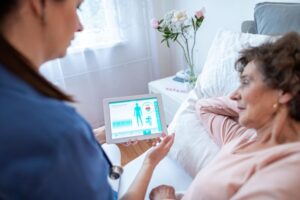
Across the United States, hospitals, cancer centers, and oncology clinics increasingly use Remote Patient Monitoring to provide continuous care between appointments. This approach supports earlier intervention, improves communication, and enhances patient engagement throughout cancer treatment.
In oncology, a typical RPM system includes:
- Connected vital sign tracking devices that measure key health indicators in real time
- Symptom reporting apps that allow patients to log how they’re feeling daily
- Automated alerts triggered when readings fall outside safe thresholds
- Clinical dashboards that give care teams a clear, consolidated view of each patient
The goal is continuous oversight without requiring patients to be physically present. Oncologists, nurses, and care coordinators can monitor trends over time, spot early warning signs, and act before small concerns become serious complications.

Can Remote Patient Monitoring Improve Cancer Care?
Sign up or log in to access personalized cancer care monitoring and real-time health insights
Personalized recovery plans
AI-driven health care management with smart alerts and thresholds
Audiovisual therapy education for guided self-rehab
Real-time metrics capture for progress tracking
Remote Patient Monitoring Devices: What They Measure and Why It Matters
The effectiveness of any RPM program depends on the accuracy and reliability of the devices it uses. In oncology, commonly used remote patient monitoring devices include:
Vital Sign Trackers These measure heart rate, blood pressure, oxygen saturation, and respiratory rate. A drop in oxygen levels, for example, can signal early respiratory complications or infection both serious concerns during cancer treatment.
Wearable Sensors Wearables track physical activity levels, sleep patterns, and heart rhythm. A sudden decrease in daily movement can be an early indicator of fatigue, depression, or physical decline.
Smart Scales and Temperature Monitors Unexpected weight loss during chemotherapy may point to nutritional deficiencies. A spike in temperature can indicate neutropenic fever a potentially life-threatening complication that requires urgent attention.
Healthcare organizations throughout the United States continue investing in AI-powered Remote Patient Monitoring because it improves symptom management, strengthens treatment adherence, reduces avoidable hospital admissions, and supports more personalized oncology care.
Integrating Remote Therapeutic Monitoring
Remote Patient Monitoring captures physiological data. Remote Therapeutic Monitoring (RTM) takes things a step further, tracking treatment adherence and how patients are responding to therapy over time.
This is particularly valuable in oncology, where many patients manage oral chemotherapy or targeted drugs at home. Missed doses affect outcomes. So does unmanaged toxicity. RTM tools can include:
- Medication adherence tracking
- Digital symptom reporting and side effect logging
- Therapy response questionnaires
- Structured check-ins between appointments
Together, RPM and RTM give clinicians a more complete picture of how a patient is doing not just what their vitals look like, but whether they’re taking their medications, tolerating treatment, and reporting new symptoms. Because no two patients respond identically to cancer therapy, this continuous feedback loop allows care plans to be adjusted based on real data, not assumptions.
Benefits of Remote Patient Monitoring for Cancer Patients
The benefits of RPM in oncology are both measurable and meaningful.
Fewer Unplanned Hospital Admissions Healthcare organizations that have implemented RPM programs have reported up to a 25% reduction in unplanned oncology admissions. Early alerts give clinicians the opportunity to adjust medications, recommend hydration, or request an urgent evaluation before a situation becomes an emergency.
Better Symptom Management When symptoms are tracked daily, nothing gets overlooked. Patients report improved control of nausea, pain, and fatigue when structured monitoring is in place.
Improved Treatment Adherence Studies show that consistent use of digital monitoring tools improves medication adherence by 15–20%. Patients who feel supported are more likely to follow their treatment plans.
Greater Patient Engagement When patients can see their own health data, they become active participants in their care. That sense of involvement builds confidence and improves outcomes.
Reassurance for Caregivers Caregivers no longer have to rely on guesswork. Structured monitoring gives them clear guidance on when to be concerned and reassurance when everything looks stable. That reassurance is not a small thing during cancer treatment.
How Remote Patient Monitoring Systems Improve Clinical Outcomes
Beyond improving the patient experience, RPM has a measurable impact on clinical outcomes.
Continuous Data Analysis Well-designed RPM systems analyze incoming data in real time, using algorithms that can detect early patterns of infection, dehydration, or treatment toxicity before symptoms become acute.
Data-Driven Decision Making Rather than relying on memory or isolated patient reports, clinicians can review trends over days or weeks. That context leads to more precise, well-timed interventions.
Stronger Communication Integrated messaging tools allow patients to contact their care team directly. Nurses can follow up quickly. The gaps in communication that often develop between appointments are significantly reduced.
More Coordinated Multidisciplinary Care Cancer treatment typically involves multiple specialists oncologists, surgeons, radiation therapists, nutritionists, and mental health professionals. Centralized monitoring platforms give all members of the care team shared visibility, making care coordination faster and more cohesive.
Enhancing Patient Experience Beyond the Clinic
Cancer care doesn’t stop when an appointment ends. RPM supports patients around the clock and that matters.
Reduced Travel Burden For patients undergoing chemotherapy or radiation, travel can be physically exhausting. Remote monitoring reduces the need for unnecessary in-person visits. Some pilot programs have shown a nearly 30% reduction in follow-up visits without any compromise to patient safety.
A Greater Sense of Control Tracking your own vitals and symptoms gives patients something rare during cancer treatment: a sense of agency. Recovery is not passive. When patients are engaged and informed, they’re more resilient. Monitoring tools help make that possible.
For continued access, patients can login anytime to track progress or signup for free to start their recovery journey.
Implementation Considerations for Healthcare Providers
Adopting RPM in an oncology setting requires thoughtful planning. The right infrastructure, devices, and training make the difference between a program that works and one that doesn’t.
Choosing the Right Platform Not all RPM systems are designed with oncology in mind. The right platform should support oncology-specific workflows and integrate seamlessly with existing electronic health record (EHR) systems.
Device Accuracy and Data Security Devices must meet clinical standards. Data encryption and full compliance with healthcare privacy regulations are non-negotiable requirements.
Training Staff and Patients Technology only delivers value when people use it correctly. Clinical staff need to understand alert thresholds and response protocols. Patients need clear guidance on how to operate their devices accurately and consistently.
EHR Integration Seamless EHR integration prevents duplication, reduces administrative burden, and keeps data where clinicians can use it effectively.
The upfront investment in RPM infrastructure is real. But when measured against reductions in hospital admissions, fewer emergency visits, and improved patient outcomes, the long-term value is well documented.
The Future of Remote Health Monitoring Devices in Cancer Care
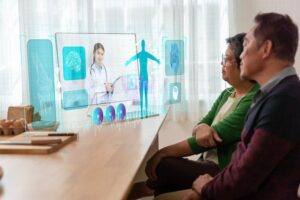
The future of cancer care in the United States will increasingly combine Artificial Intelligence, wearable health devices, predictive analytics, and Remote Patient Monitoring to deliver earlier intervention, personalized treatment, and better long-term patient outcomes.
AI-Powered Predictive Monitoring Artificial intelligence models are being trained to predict complications before they become symptomatic. Early pilot data suggests that predictive alerts could reduce emergency visits by up to 18% shifting care from reactive to proactive.
Advanced Wearable Technology Wearable devices are becoming smaller, more comfortable, and more clinically precise. Continuous glucose monitors, hydration sensors, and advanced cardiac monitors are increasingly finding their place in oncology programs.
Truly Personalized Cancer Care As more patient data accumulates over time, treatment plans can be tailored with much greater precision. Instead of reacting to problems after they occur, care teams will be positioned to anticipate and prevent them.
The direction is clear: monitoring in oncology will become more predictive, more personalized, and more integrated into everyday care.
Related Posts
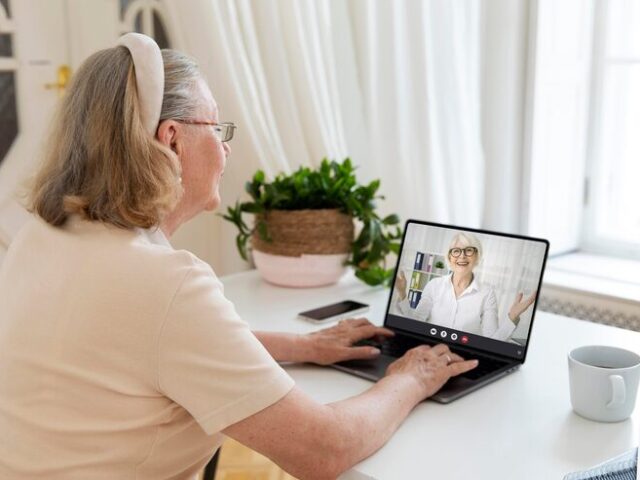
What Is Remote Patient Monitoring? Benefits, How It Works, and Why It Matters
Healthcare is no longer limited to hospitals and doctor's offices. Across the United States, healthcare providers are using Remote Patient...
Read More

What Is a Chronic Care Management Plan? Requirements, Benefits, and Best Practices
Managing chronic health conditions has become one of the biggest challenges in modern healthcare. Millions of patients live with long-term...
Read More