
Chronic conditions are the defining healthcare challenge of our time. The majority of healthcare spending goes toward managing long-term illnesses like diabetes,...
Read More
Hospital readmissions remain one of the biggest challenges for healthcare providers across the United States, increasing healthcare costs while delaying patient recovery. Many patients return to the hospital within 30 days because of incomplete rehabilitation, poor treatment adherence, or limited monitoring after discharge. Today, Remote Physical Therapy combined with AI-powered movement tracking is helping healthcare organizations reduce avoidable readmissions by delivering continuous rehabilitation, personalized recovery programs, and real-time clinical insights from home. As healthcare systems throughout the United States expand digital rehabilitation services, AI-powered remote therapy is becoming an essential part of post-discharge care.
Understanding Hospital Readmissions in the United States
A hospital readmission occurs when a patient is admitted again within a short window after discharge typically within 30 days. Current healthcare data suggests that 15–20% of patients experience this, and a significant portion of those cases are preventable with better post-discharge support.
Healthcare providers throughout the United States are investing in Remote Physical Therapy programs to reduce preventable hospital readmissions, improve rehabilitation outcomes, and support value-based healthcare initiatives. Continuous digital rehabilitation helps patients recover more safely while reducing the burden on hospitals and care teams.
Common Causes
The reasons patients return to the hospital are often avoidable:
- Lack of proper follow-up care after discharge
- Poor adherence to prescribed rehabilitation plans
- Insufficient monitoring during the recovery period
- Incorrect exercise technique leading to reinjury
- Missed early warning signs of complications
In many cases, patients leave the hospital with instructions but struggle to follow them consistently at home. Without the structure and accountability that a clinic provides, small setbacks can escalate into serious complications.
Impact on Healthcare
The downstream effects of high readmission rates are significant:
- Increased costs for healthcare systems and patients alike
- Greater strain on hospital resources and staff
- Slower patient recovery and longer treatment timelines
- Higher risk of secondary complications
Reducing preventable readmissions isn’t just a financial priority it’s a patient safety one.
What Is Remote Physical Therapy and How Does It Work?

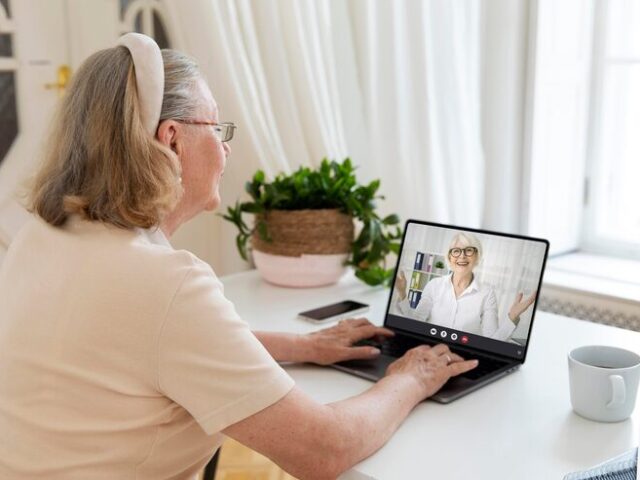
Remote physical therapy is a model of rehabilitation that allows patients to complete guided exercises at home under the direction of licensed therapists, using digital platforms and connected health tools. Rather than visiting a clinic on a fixed schedule, patients follow structured programs tailored to their condition and recovery stage.
How It Works
- Patients receive personalized exercise plans based on their diagnosis and recovery progress
- Therapists guide sessions through live video, recorded modules, or a combination of both
- Progress is tracked digitally through apps, dashboards, or wearable devices
- Regular virtual consultations keep therapists informed and give patients a touchpoint for questions
Who Benefits
Physical therapy at home is especially valuable for patients with mobility limitations, those recovering from major procedures, and people who live far from rehabilitation centers for physical therapy. It removes the logistical barriers that often cause patients to skip appointments and consistent attendance is one of the strongest predictors of a full recovery.
For older adults in particular, physical therapy for seniors delivered remotely means safer, more frequent care without the physical demands of repeated travel. It makes physical therapy home care genuinely accessible for people who need it most. Explore our blogs.
Across the United States, hospitals, rehabilitation centers, and outpatient physical therapy clinics increasingly offer Remote Physical Therapy to improve patient access, strengthen treatment adherence, and reduce unnecessary travel during recovery.
How AI Movement Tracking Improves Physical Therapy Recovery
One of the most significant advances in remote rehabilitation is the integration of AI-powered movement tracking. These platforms monitor patient movements during exercises and provide real-time feedback functioning as a continuous, intelligent observer that’s always watching for form errors or warning signs.
What AI Movement Platforms Do
- Track body movement using cameras or wearable devices
- Analyze posture, joint angles, and motion accuracy
- Detect incorrect or unsafe exercise execution
- Deliver instant corrective feedback to patients
- Generate performance data for therapist review
Why It Matters
Ensuring correct exercise form is one of the hardest challenges in remote rehabilitation. Without hands-on supervision, patients often develop compensatory movement patterns without realizing it which can slow recovery or cause new injuries. AI solves this by providing the kind of moment-to-moment feedback that previously required an in-person therapist.
Data-Driven Insights
Beyond real-time feedback, AI movement platforms build a longitudinal picture of recovery:
- Progress trends tracked over days and weeks
- Patterns that indicate plateaus or potential complications
- Objective data that helps therapists refine and adjust treatment plans
This depth of monitoring simply wasn’t possible with traditional home-based therapy, where progress relied largely on patient self-reporting. AI-powered rehabilitation platforms are becoming increasingly common across the United States, helping physical therapists evaluate patient movement, identify recovery challenges, and personalize treatment plans using objective performance data collected between appointments.

Ready to Recover Faster with AI-Powered Therapy?
Sign up or log in to access AI-powered therapy insights, track your progress, and stay connected with your care team
Personalized recovery plans
AI-driven health care management with smart alerts and thresholds
Audiovisual therapy education for guided self-rehab
Real-time metrics capture for progress tracking
How Remote Physical Therapy Improves Patient Adherence
Poor adherence is one of the primary reasons patients fail to recover fully after discharge. Many skip sessions, reduce intensity, or perform exercises incorrectly without realizing it. Remote physical therapy platforms address this directly through structure, accountability, and engagement.
Features That Drive Consistency
- Automated daily reminders tied to the patient’s therapy schedule
- Progress dashboards that make improvement visible and motivating
- Gamified elements that reward consistency and milestone completion
- Regular virtual check-ins with therapists to maintain accountability
Patients are significantly more likely to follow through when they can see their own progress and know that a professional is tracking it alongside them.
Personalized Plans That Fit the Individual
Every patient receives a tailored program based on their condition, recovery stage, physical capability, and personal goals. Generic exercise routines don’t account for individual limitations or comorbidities personalized plans do. This makes the therapy more relevant, more achievable, and more likely to produce lasting results.
How AI Helps Detect Recovery Problems Earlier
Combining remote PT with AI movement tracking creates a powerful layer of early detection that traditional follow-up care can’t replicate. Problems that might go unnoticed for weeks in a standard care model can be flagged within days or even during a single session.
How AI Supports Early Intervention
- Identifies incorrect movements before they cause strain or reinjury
- Detects stalled progress or irregular recovery patterns over time
- Flags potential risk indicators before they escalate into serious complications
Alerts and Notifications
- Patients receive immediate feedback during exercises
- Therapists receive alerts when concerning patterns emerge in the data
- Timely intervention becomes the norm rather than the exception
This dramatically reduces the risk of the kind of complications undetected reinjury, poor healing, worsening mobility that drive patients back to the hospital within 30 days of discharge.
Continuous Rehabilitation Beyond the Clinic

Traditional physical therapy is constrained by appointment schedules. Monitoring only happens during those windows, which means anything that occurs between visits goes unobserved. Remote physical therapy breaks that constraint entirely.
Key Advantages of Continuous Monitoring
- Around-the-clock visibility into patient activity and exercise completion
- Real-time updates on recovery progress available to the care team
- Ongoing, two-way communication between patient and therapist
- Reduced risk of patients feeling unsupported or disconnected after discharge
This continuity of care is one of the defining advantages that remote physical therapy solutions offer over traditional models and it’s particularly relevant for patients managing complex or long-term recovery journeys.
Cost and Clinical Benefits of Remote Physical Therapy
Hospital readmissions are expensive for healthcare systems, for insurers, and for patients. Remote PT directly addresses that cost burden by keeping more patients on track during the critical post-discharge window.
Healthcare organizations across the United States continue expanding remote rehabilitation services because they improve patient outcomes, reduce avoidable readmissions, increase therapist productivity, and lower long-term healthcare costs.
Healthcare Impact Table
| Area | Impact |
|---|---|
| Hospital visits | Reduced repeat admissions |
| Travel costs | Lower patient expenses |
| Therapy sessions | Optimized scheduling |
| Resource usage | Efficient allocation |
By reducing unnecessary hospital visits, remote PT significantly lowers healthcare costs.
Efficiency Gains for Healthcare Organizations
- Therapists can monitor and support more patients remotely without overextending capacity
- Healthcare systems reduce administrative and clinical burden associated with readmissions
- Faster, more consistent recovery cycles improve throughput and patient outcomes
- Remote care models scale in ways that traditional clinic-based care simply cannot
For organizations evaluating physical therapy solutions for post-discharge care, the efficiency case for remote PT is compelling alongside the clinical one.
Real-World Applications of Remote Physical Therapy
Remote physical therapy and AI movement tracking are already delivering results across a range of healthcare scenarios.
Post-Surgical Rehabilitation Patients recovering from knee replacements, hip procedures, and spinal surgeries benefit from guided home exercises that maintain mobility and prevent post-operative complications without requiring multiple clinic visits per week.
Chronic Condition Management Conditions like arthritis, chronic back pain, and long-term mobility disorders require sustained, ongoing therapy. Online PT classes and structured remote programs make it easier for patients to stay consistent over months rather than dropping off after a few weeks.
Physical Therapy for Seniors Elderly patients often face the greatest barriers to consistent in-person care transportation difficulty, fall risk during travel, fatigue, and limited mobility. Remote therapy brings physical therapy home care to them directly, supporting safer recovery in a familiar environment with continuous professional oversight.
Post-Stroke and Neurological Rehabilitation Neurological recovery demands repetition and consistency over long timelines. Remote PT with AI movement tracking ensures that exercises are performed correctly and frequently, even when patients can’t easily access rehabilitation centers for physical therapy on a regular basis.
Challenges and Considerations
The benefits of remote PT are clear, but implementation isn’t without its hurdles.
Technology Adoption Not every patient is comfortable navigating digital tools, particularly older adults who may be unfamiliar with apps, video platforms, or wearable devices. Onboarding support and simplified interfaces make a significant difference here.
Patient Engagement Over Time Motivation can waver, especially during longer recovery journeys. Consistent therapist check-ins, progress visibility, and well-designed engagement features are essential for keeping patients on track beyond the first few weeks.
Data Privacy and Security Remote platforms handle sensitive health information, and that responsibility is significant. Any platform used in a clinical context must comply with applicable healthcare data regulations and employ robust security protocols to protect patient privacy.
Despite these challenges, adoption is growing steadily. As platforms become more intuitive and awareness of their clinical value increases, these barriers will continue to decrease.
The Future of AI-Powered Remote Physical Therapy in the United States
Remote rehabilitation is not a temporary solution it’s becoming a permanent part of modern healthcare. Secure login and signup features make it easy for patients and clinicians to access personalized treatment plans, while advancing technologies continue to improve the effectiveness, accessibility, and convenience of remote rehabilitation.
What to Expect in the Coming Years
- More accurate AI movement detection with improved body landmark mapping
- Deeper integration with wearable devices for richer, more continuous data
- Increasingly personalized recovery plans driven by AI analysis of individual patterns
- Seamless connection between remote PT platforms and broader telehealth ecosystems
- Expanded access to online PT classes for a wider range of conditions and populations
The demand for flexible, home-based physical therapy solutions is only going to grow. As AI tools become more capable and more affordable, the gap between what remote care can offer and what in-clinic care provides will continue to narrow.
As digital healthcare continues evolving throughout the United States, AI-powered Remote Physical Therapy is expected to become a standard component of orthopedic rehabilitation, neurological recovery, post-surgical care, and chronic musculoskeletal treatment.
Related Posts
What Is Remote Patient Monitoring? Benefits, How It Works, and Why It Matters
Healthcare is no longer limited to hospitals and doctor's offices. Across the United States, healthcare providers are using Remote Patient...
Read More

What Is a Chronic Care Management Plan? Requirements, Benefits, and Best Practices
Managing chronic health conditions has become one of the biggest challenges in modern healthcare. Millions of patients live with long-term...
Read More