
Chronic conditions are the defining healthcare challenge of our time. The majority of healthcare spending goes toward managing long-term illnesses like diabetes,...
Read More

Need Better Care Coordination for Your Patients?
Sign up or log in to manage care plans, coordinate care teams, and track patient progress in one place
Personalized recovery plans
AI-driven health care management with smart alerts and thresholds
Audiovisual therapy education for guided self-rehab
Real-time metrics capture for progress tracking
Why Care Coordination Is Essential in the United States Healthcare System
In the United States, coordinated care has become a strategic priority for healthcare organizations seeking to improve quality measures, reduce avoidable hospital readmissions, and meet evolving patient care expectations.
Healthcare is no longer limited to isolated clinical visits. Many patients, particularly older adults and individuals living with chronic conditions, receive treatment from multiple providers simultaneously. Without proper coordination, communication gaps can delay treatment, duplicate medical tests, increase administrative workload, and negatively impact patient outcomes.
Common challenges healthcare organizations face include:
- Missed follow-up appointments
- Inconsistent communication between providers
- Medication management difficulties
- Delayed specialist referrals
- Fragmented patient records
- Limited visibility into patient progress
- Poor treatment adherence
- Increased risk of avoidable hospital readmissions
A structured care coordination strategy helps eliminate these challenges by organizing patient information and ensuring every member of the healthcare team works toward shared treatment goals.
As healthcare continues moving toward value-based care, coordinated patient management is no longer optional—it has become a core strategy for improving both quality of care and operational performance.
What Is a Health Care Coordinator?
A Health Care Coordinator acts as the central connection between patients, physicians, specialists, caregivers, rehabilitation teams, and healthcare facilities. Instead of focusing on a single appointment, coordinators oversee the entire patient journey, helping every stage of care remain organized and connected.
Their responsibilities extend beyond administrative support. They play a critical role in improving communication, reducing delays, and helping patients understand their treatment plans.
Typical responsibilities include:
- Coordinating appointments across multiple providers
- Managing specialist referrals
- Monitoring treatment progress
- Supporting Care Plan Management
- Facilitating Chronic Care Management programs
- Assisting with preventive healthcare initiatives
- Educating patients about treatment plans
- Communicating with caregivers and family members
- Documenting patient interactions
- Encouraging medication and appointment adherence
By serving as a central point of communication, Health Care Coordinators reduce confusion for both patients and healthcare professionals while supporting a more consistent care experience.
Why Personalized Patient Care Matters More Than Ever
Today’s patients expect healthcare that is responsive, accessible, and tailored to their individual needs. They want convenient access to healthcare information, timely follow-ups, digital communication, and personalized guidance throughout their treatment.
Healthcare organizations are responding by adopting patient-centered care models that prioritize continuous engagement rather than isolated interactions.
Health Care Coordinators contribute to this approach by:
- Providing personalized patient guidance
- Coordinating ongoing communication
- Helping patients navigate healthcare services
- Explaining treatment plans in understandable language
- Connecting patients with specialists and support services
- Ensuring timely follow-up after appointments or hospital discharge
This personalized experience helps patients feel more informed and supported, increasing confidence in their healthcare providers and encouraging greater participation in their own treatment.
Research consistently shows that engaged patients are more likely to follow treatment recommendations, attend scheduled appointments, and participate in preventive healthcare programs. By leveraging connected Digital Care Solutions such as VitalWatch365, healthcare providers can improve patient engagement, enhance communication, and support better long-term health outcomes through coordinated, patient-centered care.

Managing Chronic Conditions Through Continuous Care Coordination
Effective Chronic Care Management (CCM) combines structured Care Plan Management, proactive communication, and digital healthcare technologies to help patients manage long-term conditions while reducing complications.
Chronic diseases continue to place increasing pressure on healthcare systems worldwide. Conditions such as diabetes, hypertension, cardiovascular disease, chronic obstructive pulmonary disease (COPD), arthritis, obesity, and kidney disease require continuous monitoring rather than occasional treatment.
Patients living with multiple chronic conditions often need:
- Regular clinical assessments
- Medication management
- Lifestyle coaching
- Preventive screenings
- Ongoing communication
- Specialist referrals
- Progress monitoring
- Coordinated treatment plans
Without structured coordination, these activities can become fragmented, leading to inconsistent care and avoidable complications.
A comprehensive Care Plan Management strategy helps healthcare providers organize treatment goals, monitor patient progress, identify emerging risks, and maintain communication across the healthcare team.
This proactive approach enables earlier interventions, supports preventive care, and encourages patients to remain actively involved in managing their health.
How Care Plan Management Supports Connected Healthcare
Care Plan Management is much more than documenting treatment instructions. It creates a living roadmap that guides patients and providers throughout every stage of care.
A well-designed care plan typically includes:
- Individual health goals
- Treatment recommendations
- Medication schedules
- Preventive care milestones
- Follow-up timelines
- Specialist coordination
- Patient education
- Progress tracking
When these plans are supported by Digital Care Solutions, healthcare organizations gain real-time visibility into patient progress while reducing communication gaps between departments.
Instead of relying on disconnected records and manual workflows, providers can access centralized patient information that supports faster clinical decisions and more personalized care.
This connected approach is especially valuable for patients participating in Chronic Care Management, Principal Care Management, rehabilitation programs, and Remote Patient Monitoring initiatives.
Digital Care Solutions, Health Care Coordinator Skills, and Principal Care Management
How AI-Powered Digital Care Solutions Improve Care Coordination
Healthcare organizations are generating more patient information than ever before. Every appointment, diagnostic test, medication update, specialist referral, and follow-up interaction creates valuable clinical data. When this information is spread across disconnected systems, providers may face communication delays, duplicated work, and fragmented patient care.
Digital Care Solutions eliminate these barriers by bringing healthcare workflows into one secure, centralized platform.
Instead of relying on manual documentation and scattered records, healthcare professionals can access real-time patient information whenever it is needed. This improves collaboration across departments while helping providers make faster, more informed clinical decisions.
How Better Communication Improves Patient Outcomes
Effective healthcare depends on continuous communication between patients and care teams. Unfortunately, traditional communication methods often rely on phone calls, paper documentation, and manual follow-ups, making it difficult to maintain consistent patient engagement.
Digital Care Solutions simplify communication through automated and secure channels that keep patients informed throughout their treatment.
Why Care Plan Management Improves Long-Term Healthcare
Healthcare providers caring for patients with chronic illnesses often coordinate multiple services simultaneously. These may include physician consultations, specialist referrals, rehabilitation programs, laboratory testing, medication management, and preventive care.
Without a structured care plan, treatment can become fragmented.
How Digital Healthcare Supports Chronic Care Management
Providers across the United States increasingly combine Chronic Care Management (CCM), Principal Care Management (PCM), and Remote Patient Monitoring (RPM) to deliver continuous, patient-centered care for individuals living with long-term health conditions.
Digital healthcare platforms simplify these responsibilities by providing providers with centralized access to patient information while supporting proactive care management.
Patients can stay connected too: sign up to begin your recovery journey, or log in anytime to track your progress.
How Remote Patient Monitoring (RPM) Improves Healthcare in the United States
Healthcare is no longer confined to hospitals and clinics. Patients increasingly expect continuous care that extends beyond scheduled appointments, especially those living with chronic conditions or recovering at home.
Remote Patient Monitoring programs continue to expand throughout the United States, allowing healthcare providers to monitor patient health remotely while identifying potential health concerns before they require emergency intervention.
Common health metrics monitored through RPM include:
- Blood pressure
- Blood glucose levels
- Heart rate
- Pulse oximetry
- Body weight
- Physical activity
- Recovery progress
- Respiratory health indicators
When RPM is integrated with Care Plan Management, Chronic Care Management (CCM), and Digital Care Solutions, providers gain a more complete picture of each patient’s health, making care more personalized and responsive.
This connected approach reduces unnecessary hospital visits while helping patients stay engaged in their recovery and long-term wellness.
How Health Care Coordinators Support Remote Patient Monitoring
AI-powered Digital Care Solutions are rapidly becoming standard across the United States, helping healthcare organizations automate workflows, improve care coordination, and deliver more personalized healthcare experiences.
Health Care Coordinators review patient updates, communicate with healthcare providers, schedule follow-up appointments, educate patients, and help address concerns before they become serious.
Within Remote Patient Monitoring programs, coordinators often:
- Review patient-generated health data
- Communicate changes to physicians
- Schedule timely follow-up appointments
- Encourage medication adherence
This human-centered approach strengthens trust while ensuring digital healthcare remains focused on improving real patient experiences.
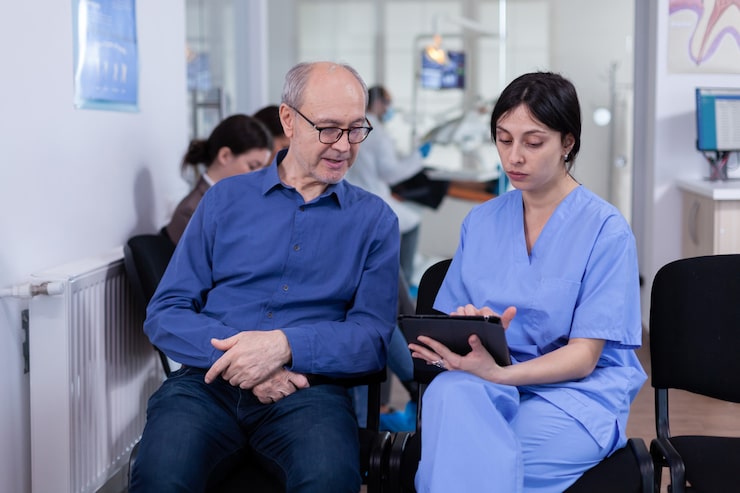
Benefits of AI-Powered Digital Care Coordination for Healthcare Providers
Healthcare organizations that combine dedicated Health Care Coordinators with Digital Care Solutions often experience measurable improvements across both clinical and administrative operations.
1. Improved Patient Engagement
Personalized communication keeps patients informed throughout their treatment journey. Appointment reminders, educational content, and regular follow-ups encourage patients to remain actively involved in managing their health.
2. Better Treatment Adherence
Patients are more likely to follow medication schedules, attend appointments, and complete recommended treatments when they receive consistent communication and coordinated support.
Improved adherence contributes to better long-term outcomes, particularly for patients enrolled in Chronic Care Management or Principal Care Management programs.
3. Reduced Administrative Burden
Manual scheduling, paper documentation, and fragmented communication consume valuable staff time.
Digital Care Solutions automate many routine administrative tasks, allowing physicians, nurses, and coordinators to focus more on patient care.
Automation may include:
- Appointment reminders
- Care plan updates
- Documentation workflows
- Secure messaging
- Patient outreach
- Reporting and analytics
4. Stronger Provider Collaboration
Healthcare often involves multiple professionals working together.
Digital platforms improve collaboration by providing shared access to:
- Patient histories
- Treatment plans
- Medication records
- Progress notes
- Care coordination updates
- Monitoring reports
This reduces communication gaps while improving clinical decision-making.
5. Better Population Health Management
Managing large patient populations requires visibility into health trends, treatment adherence, and emerging clinical risks.
Healthcare analytics integrated within Digital Care Solutions help organizations identify high-risk patients earlier, prioritize interventions, and improve preventive care strategies.
6. Lower Risk of Avoidable Hospital Readmissions
One of the greatest advantages of connected healthcare is the ability to identify potential health concerns before they require emergency care.
Through coordinated communication, Remote Patient Monitoring, and structured Care Plan Management, providers can support patients after hospital discharge, helping reduce preventable readmissions and improve recovery outcomes.
Comparison between Traditional Patient Management and Digital Care Coordination
| Feature | Traditional Patient Management | Digital Care Coordination Solutions |
|---|---|---|
| Patient Communication | Manual and fragmented | Centralized and automated |
| Care Plan Tracking | Paper-based or disconnected systems | Real-time digital monitoring |
| Appointment Follow-Ups | Manual reminders | Automated notifications |
| Chronic Care Monitoring | Limited visibility | Continuous engagement tools |
| Provider Collaboration | Department-dependent | Integrated communication systems |
| Data Accessibility | Restricted access | Centralized digital records |
| Patient Engagement | Reactive communication | Proactive engagement strategies |
| Scalability | Difficult to manage large populations | Highly scalable care management |
Related Posts
What Is Remote Patient Monitoring? Benefits, How It Works, and Why It Matters
Healthcare is no longer limited to hospitals and doctor's offices. Across the United States, healthcare providers are using Remote Patient...
Read More

What Is a Chronic Care Management Plan? Requirements, Benefits, and Best Practices
Managing chronic health conditions has become one of the biggest challenges in modern healthcare. Millions of patients live with long-term...
Read More