
Chronic conditions are the defining healthcare challenge of our time. The majority of healthcare spending goes toward managing long-term illnesses like diabetes,...
Read More
Digital healthcare is transforming rehabilitation, giving patients more ways to recover safely from home while staying connected to their healthcare providers.
Across the United States, healthcare organizations increasingly use Telehealth Physical Therapy and Remote Therapeutic Monitoring (RTM) to improve rehabilitation outcomes, strengthen patient engagement, and support continuous care beyond clinic visits. While both approaches improve access to physical therapy, they serve different purposes.
Understanding when to use telehealth, RTM, or a combination of both helps patients and providers achieve better recovery outcomes through AI-powered rehabilitation technologies.
What Is Telehealth Physical Therapy and How Does It Work?
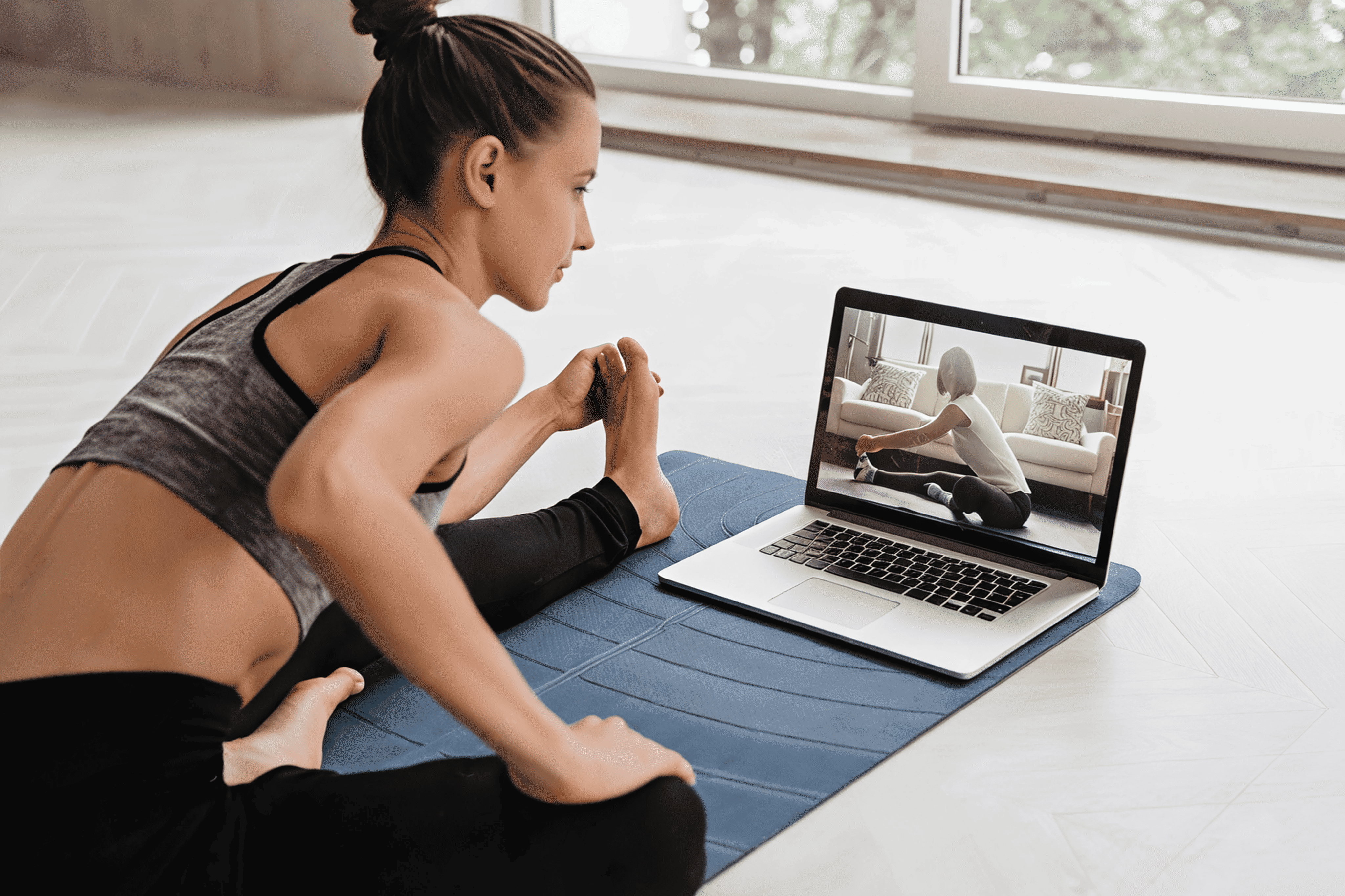
Telehealth Physical Therapy has become widely adopted across the United States, helping hospitals, outpatient rehabilitation centers, and private physical therapy practices provide convenient access to licensed therapists. Patients recovering from orthopedic surgery, sports injuries, neurological disorders, and chronic musculoskeletal conditions can receive expert rehabilitation guidance without frequent travel.
A typical telehealth PT session includes:
- Video consultations to assess movement and discuss progress
- Real-time guidance and corrections during exercise
- Exercise demonstrations tailored to the patient’s condition
- Follow-up sessions to adjust the treatment plan over time
Telehealth PT gives patients direct access to their therapist without requiring travel. It works well for consultations, initial assessments, and guided exercise sessions especially for patients who cannot easily attend in-person appointments.
What Is Remote Therapeutic Monitoring (RTM)?
Healthcare providers throughout the United States increasingly use Remote Therapeutic Monitoring to improve exercise adherence, monitor recovery progress, and enhance patient outcomes while reducing unnecessary in-person visits. RTM has become an important component of modern digital rehabilitation programs.
A typical RTM program includes:
- Daily activity tracking to capture movement patterns over time
- Exercise adherence monitoring to confirm whether prescribed exercises are being completed
- Pain and recovery data logged by the patient on an ongoing basis
- Progress reports that give therapists a longitudinal view of recovery trends
The key distinction is continuity. Telehealth ends when the session ends. RTM ensures that clinical oversight continues even when no appointment is scheduled.

Ready to Enhance Therapy Monitoring Beyond Virtual Visits?
Sign up or log in to access therapy monitoring tools and support better recovery outcomes
Personalized recovery plans
AI-driven health care management with smart alerts and thresholds
Audiovisual therapy education for guided self-rehab
Real-time metrics capture for progress tracking
Telehealth Physical Therapy vs. RTM: What’s the Difference?
This is one of the most important questions and often misunderstood.
Clear difference:
Telehealth
- Session-based care
- Real-time interaction
- No tracking after session
Remote Therapeutic Monitoring
- Continuous monitoring
- Data collection over time
- Focus on actual recovery progress
Is Remote Therapeutic Monitoring better than Telehealth Physical Therapy?
Telehealth Physical Therapy is ideal for live consultations, movement assessments, and guided exercise sessions. Remote Therapeutic Monitoring (RTM) complements telehealth by continuously tracking patient progress, exercise adherence, and recovery between appointments. Together, they provide a more complete rehabilitation experience.
What is the Difference Between Remote Therapeutic Monitoring and Remote Physiologic Monitoring?
These two terms sound similar but serve distinct purposes and it’s worth clarifying the difference.
Remote Physiologic Monitoring (RPM) tracks general vital health data, including:
- Heart rate and blood pressure
- Oxygen saturation levels
- Weight and other biometric markers
RPM is primarily used in chronic disease management for conditions like heart failure, diabetes, or hypertension where vital signs are the key clinical indicators.
Remote Therapeutic Monitoring (RTM) tracks therapy-specific data, including:
- Exercise completion and consistency
- Mobility and range of motion improvements
- Pain levels and functional activity patterns
RTM is purpose-built for rehabilitation and physical therapy. It measures the variables that actually determine whether a patient is recovering not just whether their vitals are stable. For physical therapy programs specifically, RTM is the more clinically relevant tool.
Why RTM Improves Physical Therapy Outcomes
Many rehabilitation providers across the United States now combine RTM with AI-powered rehabilitation technologies to monitor patient progress between appointments. This continuous visibility helps therapists personalize treatment plans and respond more quickly when recovery challenges arise.
RTM addresses this directly. By monitoring patients continuously, it:
- Confirms exercise adherence, so therapists know whether the program is being followed as prescribed
- Tracks consistency over time, identifying patterns that periodic sessions cannot detect
- Gives therapists real, objective data to base treatment decisions on
- Enables timely intervention when a patient is struggling, compensating, or falling behind
The result is a tighter feedback loop between patient activity and clinical response. Research supports this: structured remote monitoring programs have been associated with reduced hospital readmissions and meaningfully improved rehabilitation outcomes.
Role of RTM in Online Physical Therapy Learning
As more patients perform physical therapy exercises at home whether by necessity or by preference monitoring becomes essential to maintaining program quality and safety.
RTM supports home-based rehabilitation by:
- Helping patients practice prescribed exercises correctly, even without live supervision
- Giving therapists remote visibility into how patients are moving and progressing
- Creating accountability that improves adherence and follow-through
It bridges the gap between what patients are instructed to do and what they actually do a gap that has historically been one of the biggest obstacles to successful rehabilitation outcomes.

Key Benefits of Remote Therapeutic Monitoring
Healthcare organizations throughout the United States continue expanding RTM programs because they improve patient engagement, increase treatment adherence, support value-based care, and help therapists deliver more consistent rehabilitation outside traditional clinical settings.
Continuous engagement: Support and oversight don’t pause between appointments. Patients stay connected to their care plan throughout the recovery process.
Greater patient accountability: When patients know their activity is being tracked, adherence to prescribed exercises improves significantly.
Better recovery outcomes: Therapists can make timely adjustments based on real data, rather than relying on patient recall during infrequent check-ins.
Fewer unnecessary clinic visits: Continuous monitoring reduces the need for in-person follow-ups driven by uncertainty, freeing up clinic capacity for patients who need hands-on care.
Data-driven treatment plans: Instead of adjusting programs based on assumptions, therapists can make evidence-based decisions informed by objective, longitudinal data.
To begin your experience, login if you already have an account, or signup to get started.
Related Posts
What Is Remote Patient Monitoring? Benefits, How It Works, and Why It Matters
Healthcare is no longer limited to hospitals and doctor's offices. Across the United States, healthcare providers are using Remote Patient...
Read More

What Is a Chronic Care Management Plan? Requirements, Benefits, and Best Practices
Managing chronic health conditions has become one of the biggest challenges in modern healthcare. Millions of patients live with long-term...
Read More