How to Safely Perform Physical Therapy Exercises at Home

Recovery from injury, surgery, or chronic pain often requires consistent rehabilitation. Today, many people are choosing physical therapy exercises at home as part of their recovery plan. Home-based therapy allows patients to stay consistent with their rehabilitation while maintaining comfort and flexibility in their daily routine. 

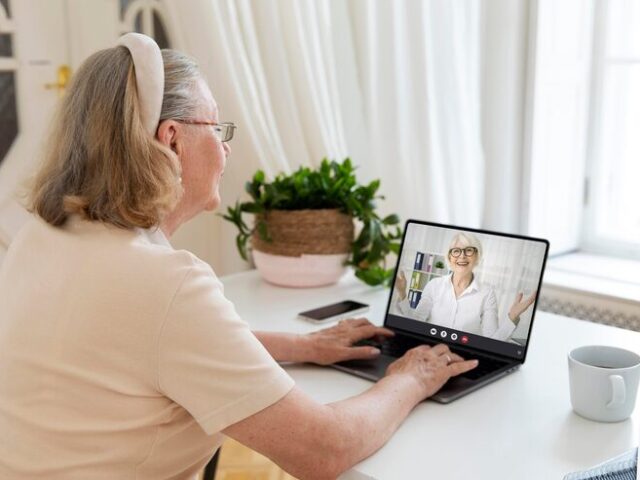
At the same time, the rise of Remote physical therapy has made professional guidance more accessible than ever. Through digital platforms, patients can now consult therapists, receive personalized treatment plans, and attend guided online PT classes without visiting a clinic.  With the right guidance and safety precautions, performing physical therapy exercises at home can be both safe and highly effective. This guide explains the benefits, best practices, and common mistakes to avoid when doing home-based rehabilitation.

Benefits of Doing Physical Therapy at Home 

Home rehabilitation offers several advantages for patients who want to recover at their own pace while maintaining professional supervision.

1. Convenience and Flexibility 

One of the biggest benefits of home therapy is convenience. Instead of traveling to a clinic multiple times a week, patients can perform physical therapy exercises at home at times that suit their schedule. 

This flexibility makes it easier to maintain a regular rehabilitation routine.

2. Reduced Travel and Clinic Visits 

For individuals recovering from surgery, mobility issues, or chronic pain, frequent travel to physical therapy centers can be challenging. 

Remote sessions and online PT classes eliminate unnecessary travel while still providing access to professional support.

3. Access to Certified Therapists Online 

Modern Remote physical therapy platforms connect patients with licensed therapists who provide guided exercise plans, posture correction tips, and progress monitoring. 

Patients can receive expert instruction while staying in the comfort of their homes.

4. Better Consistency in Rehabilitation 

Consistency is critical for recovery. Since home-based therapy removes logistical barriers like travel and scheduling conflicts, many patients are able to maintain their exercise routines more effectively. 

BenefitWhy It Matters
Flexible schedulingEasier to stay consistent
Reduced travelLess physical strain
Remote supervisionProfessional guidance at home
Personalized programsFaster and safer recovery

Tips to Safely Perform Physical Therapy Exercises at Home 

Remote PT

Although home therapy is convenient, safety should always be the top priority. Following proper techniques helps prevent injury and ensures effective rehabilitation.


Follow Professional Guidance 

Before starting any rehabilitation program, it’s important to consult a licensed therapist. A professional evaluation ensures that the exercises match your condition and recovery stage. 

Many patients now rely on Remote physical therapy platforms where therapists can demonstrate movements, monitor progress, and provide real-time feedback.


Create a Safe Exercise Space 

Your exercise area should be comfortable and free from hazards. 

Key safety tips include: 

  • Clear the floor of obstacles 
  • Use a non-slip mat for stability 
  • Keep supportive furniture nearby if balance support is needed 
  • Ensure adequate lighting 

A well-prepared space reduces the risk of slips or strain.


Warm Up Before Exercising 

A proper warm-up prepares the muscles and joints for movement. 

Effective warm-up activities may include: 

  • Gentle stretching 
  • Slow mobility exercises 
  • Light walking or joint rotations 

Skipping warm-ups can increase the risk of muscle strain during physical therapy exercises at home. 


Focus on Proper Form 

Correct posture and controlled movement are essential for effective therapy. 

When performing exercises: 

  • Move slowly and deliberately 
  • Avoid sudden or jerky movements 
  • Follow instructions provided during online PT classes 
  • Maintain steady breathing 

Proper form ensures that the targeted muscles are engaged safely. 


Listen to Your Body 

Pain is an important signal during rehabilitation. Mild discomfort may occur, but sharp or increasing pain should not be ignored. 

If pain worsens: 

  • Stop the exercise immediately 
  • Consult your therapist 
  • Modify the movement as recommended 

Following professional advice ensures safe recovery. 

Common Physical Therapy Exercises You Can Do at Home

Exercises to do at home

Depending on the condition being treated, therapists often recommend several types of exercises for home rehabilitation.

Range of Motion Exercises 

Range of motion exercises help restore flexibility in joints and reduce stiffness. These movements gently guide joints through their natural motion range. 

Examples include: 

  • Shoulder rotations 
  • Ankle circles 
  • Neck mobility exercises

Strengthening Exercises 

Strength training improves muscle stability and supports injured areas. 

Common strengthening exercises include: 

  • Resistance band movements 
  • Bodyweight squats 
  • Glute bridges 
  • Leg raises 

These exercises help rebuild muscle strength gradually.

Balance and Stability Exercises 

Balance exercises are particularly beneficial for older adults and individuals recovering from injuries. 

Examples include: 

  • Single-leg stands 
  • Heel-to-toe walking 
  • Stability exercises using a chair for support 

Improving balance helps prevent falls and enhances coordination.

Stretching Routines 

Stretching improves flexibility and reduces muscle tension. 

Typical stretches include: 

  • Hamstring stretch 
  • Calf stretch 
  • Lower back stretch 

Regular stretching complements strengthening and mobility exercises. 

Exercise TypePurpose
Range of motionImprove joint flexibility
StrengtheningBuild muscle support
Balance trainingImprove stability
StretchingReduce muscle stiffness

How Remote Physical Therapy Supports Home Workouts

Technology has transformed rehabilitation by making professional therapy accessible from anywhere. 

Virtual Consultations 

Through Remote physical therapy, patients can schedule video sessions with licensed therapists. These consultations allow professionals to assess movement patterns, guide exercises, and adjust treatment plans.
 

Personalized Treatment Plans 

Remote therapy platforms often create customized rehabilitation programs based on individual conditions, recovery progress, and medical history.  This ensures that physical therapy exercises at home are safe and effective.

Progress Tracking Tools 

Many digital therapy platforms include tools that help track: 

  • Exercise completion 
  • Mobility improvements 
  • Pain levels 
  • Strength development 

These insights help therapists adjust treatment plans as recovery progresses.
 

Guided Sessions Through Online PT Classes 

Structured online PT classes offer guided exercise routines led by certified therapists. These sessions provide clear instructions and demonstrations that help patients perform exercises correctly.

Mistakes to Avoid During Home Physical Therapy 

While home therapy is effective, certain mistakes can slow down recovery or cause injury. 

Skipping Warm-Ups 

Starting exercises without preparing muscles can lead to strain or stiffness.
 

Performing Exercises Too Quickly 

Fast movements reduce control and increase the risk of incorrect posture.
 

Ignoring Professional Advice 

Therapists design exercises based on medical conditions. Modifying exercises without guidance can be unsafe.

Inconsistent Practice 

Recovery requires regular exercise. Skipping sessions may delay progress. 

MistakePossible Impact
No warm-upIncreased injury risk
Poor postureReduced effectiveness
Ignoring therapist guidanceSlower recovery
Irregular exercise routineDelayed rehabilitation

Who Can Benefit from Home Physical Therapy 

Home-based therapy can support many types of patients. 

Post-Surgery Patients 

Individuals recovering from orthopedic surgeries such as knee or shoulder procedures often perform rehabilitation exercises at home between therapy sessions.

Athletes Recovering From Injury 

Athletes recovering from strains, sprains, or ligament injuries can benefit from structured physical therapy exercises at home supported by remote supervision.

People With Chronic Pain 

Patients experiencing conditions like arthritis, back pain, or joint stiffness can maintain mobility through guided exercise programs.

Seniors Improving Mobility 

Older adults may use home therapy routines to improve balance, strengthen muscles, and maintain independence. 


Conclusion 

Home-based rehabilitation has become an effective and convenient option for many patients. With the right guidance and precautions, physical therapy exercises at home can help individuals recover safely and regain strength. 

The growth of Remote physical therapy and structured online PT classes has made professional rehabilitation more accessible than ever. With platforms like VitalWatch365, patients can now receive expert support, personalized treatment plans, and guided exercises without leaving their homes. When performed consistently and under professional guidance, home physical therapy can play a powerful role in improving mobility, reducing pain, and accelerating recovery.

To begin your experience, login if you already have an account, or signup to get started.


Frequently Asked Questions

Yes, physical therapy exercises at home can be safe when performed correctly and under professional guidance. It is always recommended to consult a licensed therapist before starting any rehabilitation program. Using Remote physical therapy platforms can also help ensure exercises are performed safely with expert supervision. 

The frequency depends on your injury, recovery stage, and therapist’s recommendation. In many cases, therapists suggest performing exercises 3–5 times per week to maintain consistency and support recovery. 

Remote physical therapy can effectively support many rehabilitation programs, especially for follow-ups, guided exercises, and progress monitoring. However, some complex conditions may still require occasional in-person assessments. 

Most physical therapy exercises at home require minimal equipment. Common items include: 

  • Resistance bands 
  • Yoga or exercise mats 
  • Stability balls 
  • Light dumbbells 
  • Supportive chairs 

Your therapist may recommend specific tools based on your treatment plan. 


Mild discomfort during rehabilitation can be normal, but sharp or increasing pain is a warning sign. If pain occurs: 

  • Stop the exercise immediately 
  • Rest the affected area 
  • Contact your therapist for guidance 

Adjustments to the exercise routine may be necessary. 

This will close in 0 seconds