
Remote physical therapy is no longer a fringe option or a short-term workaround. It has become a standard part of how many patients receive care, especially those managing long-term recovery, mobility issues, or post-surgical rehabilitation. Over the last few years, and particularly moving into 2025 and beyond, more patients are actively choosing remote physical therapy over traditional in-clinic visits.
This shift is not driven by trends or convenience alone. It reflects changes in how healthcare is delivered, how patients live, and how technology supports clinical oversight outside hospital walls. The question is no longer whether remote physical therapy works. The real question is why patients are choosing it even when in-person care is available.
To understand this change, it helps to look closely at patient behavior, clinical outcomes, and how therapy treatment plans have evolved in a remote setting.
A Change in How Patients Think About Care
For a long time, physical therapy was tied to a physical location. You went to a clinic, followed a routine, and left. The idea that therapy could happen at home felt incomplete or even risky to some patients. That mindset has shifted.
Patients today are more informed. They compare care options. They ask questions about time commitment, consistency, and outcomes. Many have experienced delays in treatment before, missed sessions due to travel issues, or stopped therapy early because fitting it into daily life became too difficult. Remote physical therapy addresses these issues directly. It removes the dependency on a fixed location and replaces it with a structured plan that fits into a patient’s real environment. For many people, that alone changes whether therapy is something they can stick with.
What Remote Physical Therapy Actually Involves
Remote physical therapy, often referred to as remote PT or pt remote, is not a simplified version of care. It is a structured model where licensed clinicians design and monitor therapy treatment plans using digital tools.
Patients perform exercises at home while Digital Platform track progress through virtual check-ins, motion tracking, wearable data, or guided sessions. Communication happens through secure platforms, and adjustments are made based on performance and recovery trends. In practice, this means the therapist still leads the process. The difference is where the therapy happens, not who controls it.
Why Convenience Alone Isn’t the Real Reason
It’s easy to assume patients choose remote physical therapy because it’s convenient. That is part of it, but it’s not the full picture. Convenience helps patients start therapy. Consistency helps them finish it. Remote PT allows patients to follow their therapy treatment plan without rearranging work schedules, transportation, or caregiving responsibilities. This reduces missed sessions, which directly impacts recovery outcomes. When therapy fits into daily routines, patients are more likely to complete the program as prescribed.
Some patients even report feeling more engaged when therapy happens at home. The exercises feel connected to daily movement instead of being something done only in a clinic room.
The Role of Consistency in Recovery
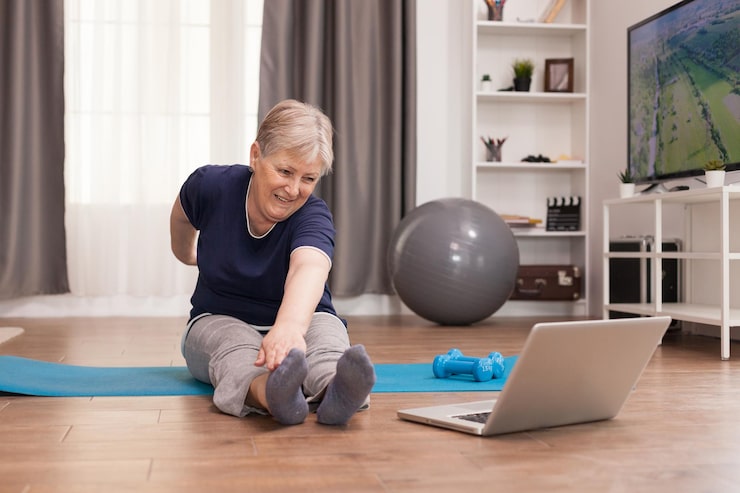
Recovery is rarely about intensity alone. It’s about repetition and gradual improvement. Traditional therapy models often limit patients to two or three sessions per week. Outside of those sessions, patients are expected to remember exercises and perform them correctly on their own. This gap between supervised care and independent practice can slow progress.
Remote physical therapy closes that gap. Patients receive more frequent guidance, reminders, and feedback. Therapists can see how exercises are performed over time, not just during short clinic visits. This ongoing visibility helps clinicians adjust the therapy treatment plan early, before small issues turn into setbacks. And patients feel supported, not left guessing.
Better Access for Patients With Physical Limitations
For patients dealing with chronic pain, mobility challenges, or post-surgical recovery, travel itself can be a barrier. Getting to a clinic may require assistance, transportation planning, or physical effort that adds strain. Remote PT removes that barrier. Patients can begin therapy sooner and maintain regular sessions without added stress. This is especially important in early recovery stages, where delays can affect long-term outcomes.
Patients in rural areas or those with limited access to specialized clinics also benefit, helping improve recovery at home, as remote physical therapy allows them to receive care that would otherwise be unavailable locally.
Increased Comfort and Confidence at Home
Many patients feel more relaxed at home. This matters more than it sounds. In a familiar environment, patients tend to move more naturally. Therapists can see how patients actually function in daily spaces-how they stand from a chair, navigate stairs, or reach for objects. This real-world context helps therapists tailor exercises that directly support daily activities.
Patients also report feeling less self-conscious when exercising at home, which can improve recovery at home. This can lead to better participation, especially for older adults or those new to physical therapy.
Technology Has Closed the Quality Gap
Earlier versions of remote therapy relied heavily on video calls and basic instructions. That approach had limits. Today’s systems are different. Advanced platforms support motion tracking, real-time alerts, progress analytics, and Digital dashboards. Therapists can see patterns, not just isolated sessions. They can identify when a patient is struggling or improving faster than expected.
This data-driven approach improves safety and precision. It also reassures patients that they are being monitored, not left alone with a set of exercises.
Safety Is a Bigger Factor Than Patients Expected
One common concern about remote physical therapy is safety. Patients worry about performing exercises incorrectly or pushing too far without supervision. Modern remote PT addresses this through guided sessions, real-time feedback, and alerts that notify clinicians when movement deviates from safe parameters. Therapy treatment plans are designed to progress gradually, with clear boundaries.
Patients often discover that they feel safer knowing their progress is tracked continuously, rather than relying on memory between clinic visits.
Stronger Communication between Patient and Therapist
Remote physical therapy often leads to more frequent communication, not less. Patients can message questions as they arise. Therapists can respond with adjustments or reassurance without waiting for the next appointment. This reduces anxiety and prevents small issues from becoming reasons to stop therapy.
Over time, this builds trust. Patients feel heard. Therapists gain better insight into how patients experience their recovery day to day. For continued access, patients can login anytime to track progress or signup for free to start their recovery journey.
Long-Term Conditions Benefit the Most
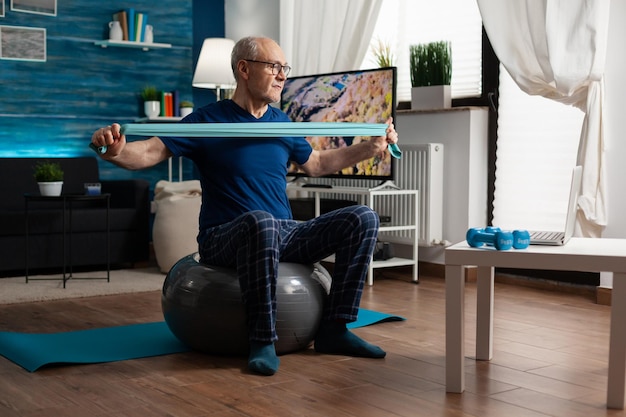
Remote PT is particularly effective for long-term or chronic conditions that require ongoing management rather than short bursts of care. Conditions like arthritis, neurological disorders, or postural issues benefit from steady monitoring and gradual progression. Remote physical therapy supports this model better than episodic clinic visits. Patients learn to integrate therapy into daily life instead of treating it as a temporary task. That mindset shift improves long-term outcomes.
Cost Transparency and Reduced Indirect Expenses
While clinical costs vary, many patients notice savings in indirect expenses. There is no travel cost, no time lost commuting, and fewer disruptions to work or family schedules. For some patients, this makes therapy financially sustainable. When treatment fits within life and budget, patients are more likely to complete it fully.
Remote Physical Therapy and Patient Independence
An unexpected benefit reported by many patients is increased confidence. Remote PT encourages patients to understand their own movement and recovery process. Instead of relying entirely on in-clinic cues, patients become active participants in their therapy treatment plan. This sense of ownership can lead to better adherence and a smoother transition after formal therapy ends.
Why Patients Continue Even After Clinics Reopen
One of the clearest signs of remote PT’s value is that patients continue choosing it even when in-person options are available. This suggests the preference is not driven by necessity alone. Patients are choosing the model that aligns better with their lives, recovery pace, and communication needs. Remote physical therapy has proven it can deliver effective care without compromising clinical standards.
The Bigger Shift in Healthcare Delivery
Remote physical therapy reflects a broader shift toward patient-centered care. Healthcare is moving away from rigid systems and toward flexible models that support real-life needs. Patients expect transparency, accessibility, and continuity. Remote PT aligns with those expectations without lowering clinical standards. As technology continues to improve, the gap between remote and in-person care will narrow further, not widen.
Final Thoughts
Patients are choosing remote physical therapy because it works with their lives, not against them. It supports consistent recovery, improves communication, and removes barriers that often cause therapy to fail before it truly begins.
Platforms like VitalWatch365 are helping make this model reliable and clinically sound by supporting structured therapy treatment plans, real-time monitoring, and clear communication between patients and care teams. As remote care continues to evolve, solutions that focus on clarity, safety, and real outcomes will shape how physical therapy is delivered in the years ahead.