
Chronic conditions are the defining healthcare challenge of our time. The majority of healthcare spending goes toward managing long-term illnesses like diabetes,...
Read More
Step 1: Understand Principal Care Management (PCM) in the United States
In the United States, Principal Care Management is recognized by Medicare as a reimbursable service for eligible patients with one serious chronic condition requiring ongoing clinical management and coordinated care.
Core Objectives
A PCM program is built to:
- Deliver structured care management outside of routine office visits
- Monitor how a condition progresses over time
- Reduce emergency visits and hospital readmissions
- Improve medication adherence and patient education
- Maintain the documentation required for reimbursement
PCM vs. General Care Management
It’s easy to confuse PCM with broader care management, but the distinction matters. General care management programs typically address multiple chronic conditions at once. PCM narrows the focus to a single high-risk condition, and the documentation, billing codes, and compliance requirements differ as a result.
In practice, PCM usually:
- Requires at least 30 minutes of clinical staff time per month
- Centers on one qualifying condition
- Involves moderate-to-high-complexity medical decision-making
If internal processes aren’t clearly defined, these lines blur quickly and that leads to billing errors and operational confusion down the road.
Login to access your personalized dashboard or Signup today to start tracking your progress.
Eligibility and Compliance
To qualify for PCM, a patient must:
- Have one complex chronic condition
- Be expected to require ongoing management for at least three months
- Provide documented consent
Compliance here is non-negotiable. Your documentation must support medical necessity, accurate time tracking, and a formal care plan.

Step 2: Identify Patients Eligible for Principal Care Management
Implementation starts with a simple question: who qualifies?
Define Qualifying Conditions
Common PCM-eligible conditions include:
- Advanced COPD
- Chronic heart failure
- Late-stage kidney disease
- Complex diabetes with complications
The key requirement is that the condition demands structured management. Not every chronic diagnosis meets that bar.
Stratify by Risk
Use your EHR data to surface patients who need the most support. Look for:
- Recent hospital admissions
- Medication non-adherence
- Frequent emergency visits
- High overall utilization
Risk-scoring tools help you prioritize enrollment. Some practices lean on predictive analytics; others rely on clinical review. Both approaches work as long as the reasoning is documented.
Enroll Patients and Secure Consent
Enrollment requires three things:
- Written or verbal consent (documented either way)
- A clear explanation of the services provided
- A discussion of any potential cost-sharing
Transparency builds trust. Patients should understand that PCM means ongoing monitoring, not the occasional phone call. Rushing this step tends to create confusion later.

Want to Simplify Principal Care Management?
Sign up or log in to streamline care management and monitor patient progress
Personalized recovery plans
AI-driven health care management with smart alerts and thresholds
Audiovisual therapy education for guided self-rehab
Real-time metrics capture for progress tracking
Step 3: Build an Effective Principal Care Management Team
A successful PCM program depends on clearly assigned roles.
Assign Coordinators and Clinicians
A typical PCM team includes:
- A supervising physician or advanced practitioner
- A registered nurse or care coordinator
- Administrative support for documentation
Dedicated oversight is essential. PCM can’t succeed as an “extra task” bolted onto the workload of already-stretched staff.
Define Responsibilities
Spell out exactly who does what:
- Who conducts monthly check-ins
- Who updates the care plan
- Who reviews medication adjustments
- Who tracks time for billing
Ambiguity slows everything down.
Set Communication Workflows
Establish clear internal processes, including:
- Escalation pathways for urgent issues
- Standard reporting templates
- Regular internal check-ins
Communication breakdowns are one of the most common failure points in care management. With VitalWatch365, every team member can access centralized documentation, ensuring everyone knows where patient records are stored and who is responsible for each aspect of care.
Step 4: Create Personalized Principal Care Management Plans
Healthcare providers across the United States increasingly use digital care plan management platforms to personalize treatment, improve communication, and monitor patient progress more effectively throughout the care journey.
Start with a Comprehensive Assessment
Begin with a thorough baseline that covers:
- A full clinical evaluation
- A medication review
- An assessment of social determinants of health
- A behavioral risk evaluation
The more structured this initial review, the easier it is to measure progress later.
Set Measurable Goals
Care plans need specific, trackable targets, such as:
- A1C reduction goals
- Blood pressure targets
- Weight stabilization
- Reduced hospitalizations
Avoid vague language. “Improve health” isn’t a goal it’s a wish. Measurable targets are.
Use Structured Care Plan Tools
Digital care plan tools make the work far more reliable by enabling:
- Real-time updates
- Centralized documentation
- Automated reminders
- Integration with remote patient monitoring
Manual tracking invites errors. A digital system closes documentation gaps, though it does require some upfront training.
Step 5: Use AI and Digital Technology for Principal Care Management
AI-powered healthcare platforms are becoming increasingly common across the United States, helping providers automate documentation, improve Remote Patient Monitoring, and strengthen Principal Care Management workflows.
Integrate with your EHR
Your PCM documentation should connect directly to the electronic health record. At a minimum, that integration should support:
- Time-tracking logs
- Secure patient communication
- Care plan documentation
- Billing documentation that stays aligned with clinical records
Disconnected systems create audit risk.
Add Remote Monitoring
Remote monitoring meaningfully improves engagement. Connected blood pressure cuffs, glucose monitors, and weight scales allow the care team to intervene proactively rather than wait for the next visit.
Industry reports suggest that practices using remote monitoring within care management programs have seen adherence improve by up to 25%, along with measurable reductions in readmissions. The exact figures vary by specialty, but the trend is consistent.
Keep Documentation Secure
Every patient communication must remain HIPAA-compliant. Secure messaging portals are always preferable to unsecured email. It sounds obvious yet it’s still mishandled more often than it should be.

Step 6: Improve Patient Communication and Follow-Up
Consistency is what separates a strong program from a struggling one.
Schedule Regular Check-ins
PCM billing requires a minimum of 30 minutes of clinical staff time per month, but the right contact frequency varies by patient. A common structure includes:
- A monthly structured call
- Additional outreach based on risk level
- A follow-up after any medication change
Support Medication Management
Medication adherence remains one of the biggest obstacles in chronic care studies estimate that nearly 50% of patients with chronic illness don’t take their medication as prescribed.
Strong PCM programs address this head-on by:
- Conducting medication reconciliation
- Identifying cost barriers
- Providing education
Even small interventions can prevent serious complications.
Prioritize Patient Education
Understanding drives compliance. Give patients:
- Written summaries
- Digital resources
- Condition-specific guidance
Patients who understand their condition tend to engage more actively in their own care.
Step 7: Measure Principal Care Management Success
Healthcare organizations throughout the United States measure clinical outcomes, patient engagement, and quality metrics to continuously improve Principal Care Management programs while meeting value-based care objectives.
Track Clinical Outcomes
Keep an eye on:
- Hospital admissions
- Emergency visits
- Clinical markers such as blood pressure and glucose
- Patient-reported outcomes
Comparing pre- and post-enrollment data is the clearest way to demonstrate impact.
Measure Engagement and Adherence
Useful engagement metrics include:
- Completed monthly contacts
- Medication adherence rates
- Appointment attendance
Results vary widely. Some programs achieve engagement above 70%, while others hover around 40%. The difference usually comes down to workflow consistency.
Evaluate Financial and Operational Health
A program has to be viable to survive, so track:
- Reimbursement rates
- Staff utilization
- Time-tracking accuracy
- Cost per enrolled patient
A sustainable PCM program balances clinical value with operational reality.
Step 8: Maintain PCM Compliance and Medicare Billing Accuracy
Compliance failures can undo hard-won progress in a hurry.
Maintain Complete Documentation
For every enrolled patient, keep:
- Signed consent
- A condition-specific care plan
- Time logs
- Communication records
- Documentation of medical necessity
Incomplete time logs are among the most common audit findings.
Follow Coding and Reimbursement Rules
Learn the applicable CPT codes and payer requirements. PCM billing differs from chronic care management (CCM), and incorrect coding leads to denied claims or recoupment.
Stay Audit-Ready
Build audit readiness into your routine:
- Run internal audits quarterly
- Review documentation samples
- Verify time logs against communication records
It takes effort but avoiding penalties is well worth it.
Step 9: Optimize and Expand Your Principal Care Management Program
Launching the program isn’t the finish line.
Gather Feedback
Ask the questions that reveal friction:
- Are patients satisfied with the communication?
- Do clinicians feel supported?
- Are the documentation tools actually efficient?
Even minor process adjustments can improve retention.
Commit to Continuous Improvement
Treat quality as an ongoing effort:
- Review performance metrics monthly
- Adjust workflows based on what the data shows
- Retrain staff periodically
Programs that stagnate lose their effectiveness.
Expand Thoughtfully
Once the core program is stable, you can broaden it to include:
- Remote patient monitoring
- Behavioral health integration
- Expanded care plan management services
Scale deliberately, not in a rush.
Related Posts
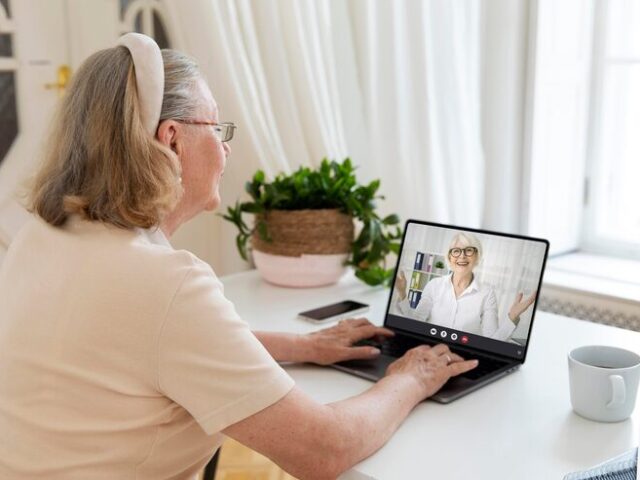
What Is Remote Patient Monitoring? Benefits, How It Works, and Why It Matters
Healthcare is no longer limited to hospitals and doctor's offices. Across the United States, healthcare providers are using Remote Patient...
Read More

What Is a Chronic Care Management Plan? Requirements, Benefits, and Best Practices
Managing chronic health conditions has become one of the biggest challenges in modern healthcare. Millions of patients live with long-term...
Read More