


Healthcare is moving quickly beyond the traditional clinic visit. Hospitals, primary care practices, rehabilitation centers, and chronic care programs are all turning to remote patient monitoring solutions to improve patient outcomes, cut unnecessary hospital visits, and ease the day-to-day burden on their teams.
The reason is simple. More patients than ever need ongoing support, whether they’re managing a chronic condition, recovering after surgery, aging in place, going through rehabilitation, or focusing on prevention. At the same time, providers are being asked to coordinate care better, keep patients engaged, and maintain real-time visibility into health, all without adding layers of staffing complexity.
Recent healthcare technology reports show why adoption is climbing so fast. Remote patient monitoring solutions are spreading across healthcare systems as chronic disease rates rise, populations age, and demand grows for care that can be delivered at home.
Growing Demand for Remote Patient Monitoring Solutions
Providers are recognizing the value of watching over patients continuously, not just during scheduled appointments. Traditional care depends heavily on periodic check-ins, which can leave large gaps in the picture of a patient’s health.
Remote monitoring closes those gaps. Connected digital systems let clinical teams track vital signs and health trends between visits, so nothing slips through the cracks.
The Rise of At-Home Healthcare and Rehabilitation Programs
Healthcare organizations are leaning into at-home care because it’s more convenient for patients and takes pressure off hospitals and clinics.
Someone recovering from surgery, living with a chronic illness, or working through a rehab program can now get meaningful support at home while staying digitally connected to their care team. Remote monitoring devices make this possible, giving providers a continuous view of each patient’s progress while reducing the need for in-person visits.
Why Chronic Disease Management Is Driving RPM Adoption
Chronic conditions such as diabetes, hypertension, cardiovascular disease, respiratory disorders, and obesity all require steady, long-term monitoring.
Remote patient monitoring solutions help care teams keep an eye on the metrics that matter most, including:
- Blood pressure
- Heart rate
- Blood glucose levels
- Oxygen saturation
- Weight fluctuations
- Medication adherence
- Rehabilitation progress
Tracking these signals over time helps providers catch early warning signs before a condition worsens.
Healthcare Systems Are Shifting Toward Preventive Care
Modern healthcare is moving from a reactive model, treating problems after they appear, to a proactive one that prevents them.
Real-time monitoring supports that shift. It helps clinicians spot abnormalities sooner, keeps patients on track with their treatment, and supports stronger long-term outcomes. Systems that monitor patients continuously also tend to communicate better and see fewer avoidable readmissions.
What Is Remote Monitoring?
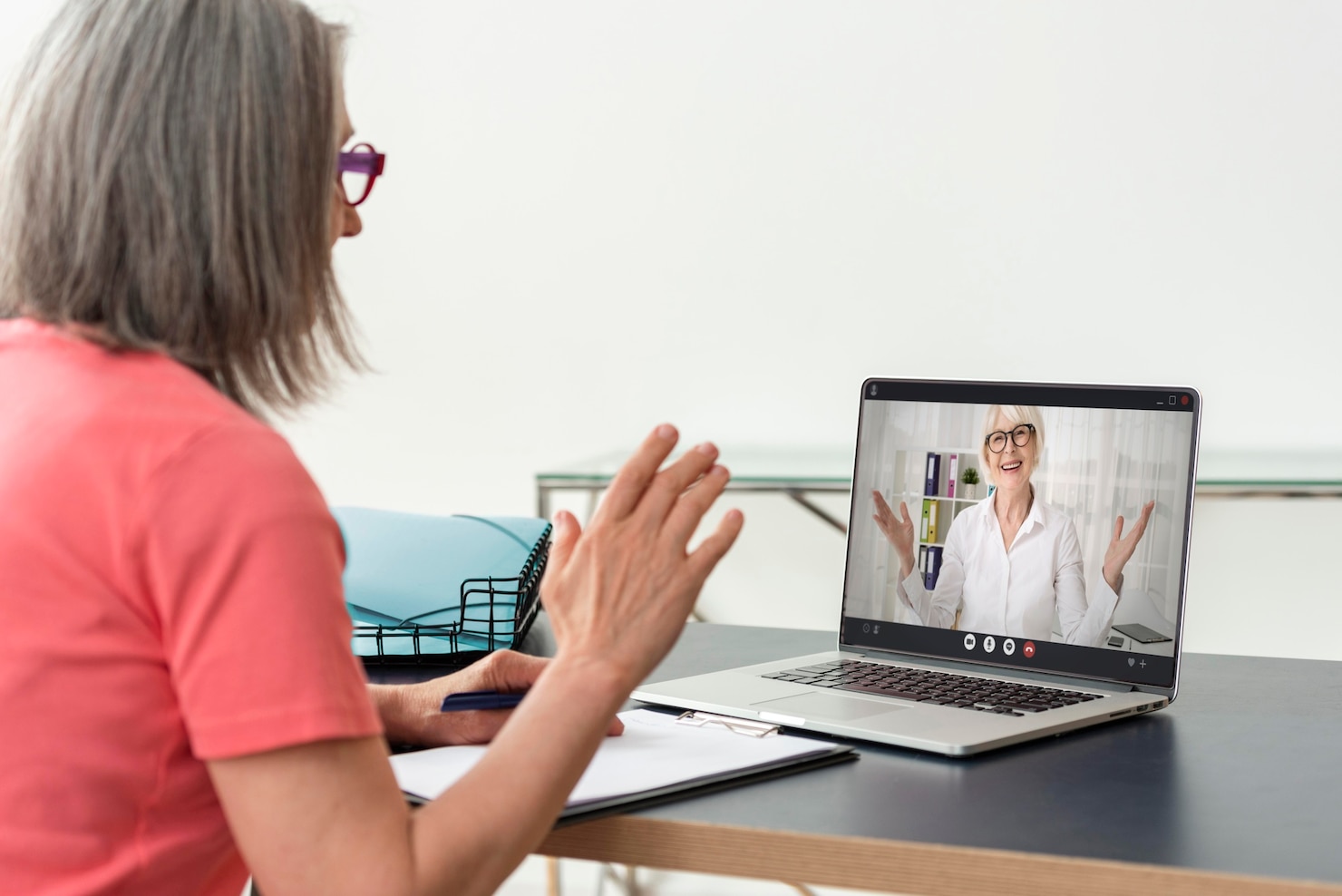
Remote monitoring is the practice of tracking a patient’s health data outside a traditional clinical setting using connected digital technology.
These systems gather health information through wearables, mobile apps, smart sensors, and cloud-connected platforms, then transmit it securely to providers in real time. The result is that clinicians can oversee a patient’s condition without needing them in the room.

How Remote Monitoring Works in Healthcare
A typical remote monitoring setup brings together:
- Connected health monitoring devices
- Mobile or cloud-based software
- Real-time data transmission
- Alert and notification systems
- Provider dashboards
- Patient engagement tools
Together, these components collect health metrics around the clock and deliver them securely to the care team for review.
What Is Health Monitoring, and Why Does It Matter?
Health monitoring means tracking vital indicators to understand a patient’s physical condition and treatment progress over time.
Consistent monitoring plays a central role in:
- Chronic disease management
- Preventive healthcare
- Elderly patient support
- Rehabilitation programs
- Post-surgical recovery
- Medication management
Providers increasingly rely on digital monitoring because it fills the visibility gap between appointments. A strong connected healthcare strategy also strengthens patient engagement, treatment consistency, and long-term care coordination across digital healthcare technologies.
Real-Time Visibility Improves Patient Safety
When monitoring happens in real time, care teams can respond to sudden changes almost immediately. A spike in blood pressure, an irregular heart rhythm, or a drop in oxygen levels can trigger an instant alert, prompting quick intervention. That speed helps prevent complications and emergencies before they escalate.
Better Patient Engagement and Treatment Adherence
Patients who receive continuous support tend to take a more active role in their own care.
Monitoring systems encourage them to:
- Stick to medication schedules
- Keep up with rehabilitation exercises
- Watch their lifestyle habits
- Track their progress consistently
- Stay in regular contact with their care team
That kind of engagement often translates into stronger long-term health outcomes.
What Are the Benefits of Remote Patient Monitoring?
Healthcare organizations adopt remote patient monitoring because it raises the quality of care while making operations more efficient. Here’s where the impact shows up most.
Stronger chronic care management. Instead of relying on occasional clinic visits, providers can track health metrics continuously. That makes it easier to spot worsening symptoms early and fine-tune treatment plans in response.
Fewer hospital readmissions. Patients recovering at home stay connected to their care team the whole time, which lowers the chance of a complication going unnoticed. Studies consistently link RPM programs to lower hospitalization rates among chronic care patients.
Wider access to care. Remote monitoring reaches people who often struggle to get to a clinic, including those in rural areas, older adults, and patients with limited mobility. They can receive ongoing support without frequent travel, removing a major barrier to consistent care.
Better rehabilitation support. For patients recovering from surgery, injury, or a rehab program, continuous monitoring is a real advantage. Providers can follow recovery progress remotely and adjust treatment as needed, keeping care consistent throughout the process.
Faster clinical decisions. Real-time data gives clinicians more to work with than patient-reported symptoms alone. By analyzing continuous health trends, they can detect problems proactively and act sooner.
Greater operational efficiency. Care teams work from dashboards that surface health trends and alerts at a glance. When a reading looks off, they can reach out to the patient or adjust the plan right away. VitalWatch365 supports this connected experience with advanced monitoring technology, real-time patient insights, and smarter digital care coordination.

What Is the Remote Patient Monitoring Process?
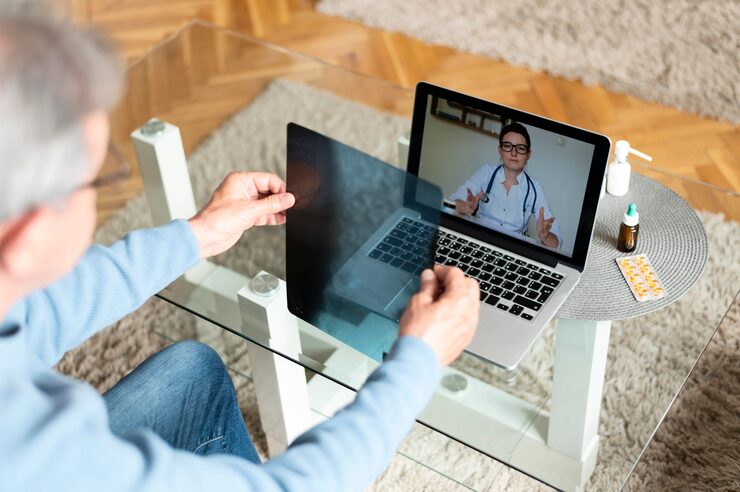
Remote patient monitoring usually follows a clear set of stages designed to keep visibility high and patients engaged.
1. Patient enrollment and device setup. Providers enroll eligible patients into the program and supply connected devices based on their medical needs. These may include:
- Blood pressure monitors
- Pulse oximeters
- Smart weight scales
- Glucose monitors
- Wearable health trackers
2. Continuous data collection. The devices automatically capture health data and transmit it securely through the cloud. Patients can also log symptoms, medication adherence, or rehab progress in a connected mobile app.
3. Real-time monitoring and alerts. Care teams watch dashboards that display trends and flag anything unusual. If a reading is abnormal, they can contact the patient quickly or update the treatment plan. A free signup also lets patients securely view their health information, track progress, and stay connected to ongoing support.
4. Ongoing care coordination. Monitoring systems often plug into broader care coordination, rehabilitation, and chronic care workflows. This keeps care continuous and communication open between patients and providers.
The Role of Remote Monitoring in Modern Healthcare
Remote monitoring supports several clinical and operational functions at once:
- Continuous health tracking keeps patients visible to their care team between appointments.
- Preventive risk detection surfaces potential problems early through real-time and predictive alerts.
- Patient communication support adds messaging, reminders, telehealth, and educational tools.
- Rehabilitation and recovery monitoring lets providers follow physical progress and adherence throughout a program.
Advantages of Patient Health Monitoring Systems
Modern monitoring systems deliver clear benefits for patients and providers alike:
- Better accessibility. Patients get continuous support from home without frequent trips to a facility.
- Greater independence. Those managing chronic conditions can stay more self-sufficient while remaining connected to their care team.
- More accurate data. Connected devices reduce manual reporting errors and produce more reliable tracking.
- Stronger preventive care. Providers can step in earlier when the data points toward a possible complication.
- Tighter care coordination. Monitoring platforms improve communication among physicians, coordinators, caregivers, and patients.
Is Remote Patient Monitoring Expensive?
Many organizations assume remote monitoring comes with a steep price tag. In reality, today’s cloud-based RPM platforms are far more scalable and affordable than they used to be.
The overall cost depends on factors such as:
- Device requirements
- Number of patients monitored
- Platform integrations
- AI analytics capabilities
- Care coordination workflows
- Reporting infrastructure
There’s an upfront investment to get started, but many providers find that RPM lowers long-term costs by reducing readmissions, strengthening preventive care, and streamlining patient management. Increasingly, healthcare systems treat remote monitoring as a long-term operational investment rather than just another technology expense.
You can download the app for free on Android or iOS and start improving care today.
How Digital RPM Platforms Are Improving Healthcare Operations
Modern remote patient monitoring solutions now combine:
- AI-powered health analytics
- Automated alerts
- Real-time dashboards
- Telehealth integration
- Care coordination workflows
- Mobile patient engagement tools
- Predictive health insights
Together, these capabilities are helping healthcare organizations move toward a more proactive, connected model of care.
Providers exploring scalable options can learn more about advanced remote patient monitoring solutions built to support real-time monitoring, chronic care management, rehabilitation workflows, and digital care coordination. Patients and organizations can also access related services through VitalWatch365 login for connected care management and monitoring support.
Comparison Between Traditional Monitoring and Remote Patient Monitoring Solutions
| Feature | Traditional Monitoring | Remote Patient Monitoring Solutions |
|---|---|---|
| Monitoring Frequency | Periodic clinic visits | Continuous real-time monitoring |
| Patient Accessibility | Location dependent | At-home healthcare support |
| Data Visibility | Limited appointment-based insights | Continuous health trend tracking |
| Response Time | Delayed intervention | Faster alert-based response |
| Patient Engagement | Moderate | Higher continuous engagement |
| Chronic Care Support | Limited visibility | Improved long-term monitoring |
| Rehabilitation Tracking | Manual follow-up | Real-time recovery monitoring |
| Operational Efficiency | Higher administrative workload | Automated monitoring workflows |
Future Trends in Remote Health Monitoring
Remote health monitoring is set to become even more AI-driven and data-focused. Some of the trends shaping what’s next include:
- AI-assisted predictive healthcare
- Wearable biosensor technology
- Voice-enabled health monitoring
- Remote rehabilitation systems
- Smart chronic care management
- Connected elderly care platforms
- Cloud-based patient engagement systems
- Automated clinical alert systems
As patient demand for connected care keeps rising, more organizations are weaving digital monitoring into their long-term care strategies. Contact us today to learn more about advanced digital healthcare solutions, smarter patient monitoring, and connected long-term care support.