


Recovering from surgery, injury, stroke, joint replacement, or chronic musculoskeletal conditions often requires consistent rehabilitation and professional monitoring. Traditionally, patients attended in-person physical therapy sessions at hospitals, clinics, or rehabilitation centers. However, advances in digital healthcare have transformed how rehabilitation services are delivered.
Today, healthcare providers increasingly offer Remote Physical Therapy and Virtual Physical Therapy solutions that allow patients to receive treatment, monitoring, and guidance from home. Combined with AI-powered rehabilitation technologies, remote patient monitoring systems, and real-time movement tracking, these solutions are improving accessibility while helping healthcare organizations deliver more personalized care.
As demand for home-based healthcare continues to grow, patients and providers are asking an important question: Which option delivers better outcomes for home recovery monitoring Remote Physical Therapy or Virtual Physical Therapy?


Understanding Modern Rehabilitation in the Digital Healthcare Era
Healthcare delivery has shifted significantly toward remote care models over the past few years. According to industry reports, the global digital health market is expected to exceed $900 billion by 2030, with telehealth, remote patient monitoring, and AI-powered rehabilitation technologies among the fastest-growing segments.
Physical therapy is no exception. Patients increasingly prefer rehabilitation programs that reduce travel requirements, improve convenience, and allow continuous progress monitoring from home.
This shift has led to the growth of both remote rehab therapy systems and virtual physical therapy platforms designed to support recovery beyond traditional clinical settings.
What Is Remote Physical Therapy?
Remote Physical Therapy refers to rehabilitation programs that combine therapist supervision, remote patient monitoring technology, AI-powered movement analysis, wearable sensors, and digital health platforms to track patient recovery from a distance.
Unlike standard video consultations, remote physical therapy often includes ongoing monitoring between sessions.
Patients perform physical therapy exercises at home while healthcare providers track progress through connected devices, AI cameras, mobile applications, or remote health monitoring systems.
This approach enables clinicians to monitor treatment adherence, identify recovery challenges early, and make adjustments without requiring frequent in-person visits.
What Is Virtual Physical Therapy?
Virtual Physical Therapy primarily relies on live video consultations between therapists and patients.
Using secure telehealth platforms, therapists guide patients through rehabilitation exercises, assess movement patterns visually, answer questions, and provide treatment recommendations remotely.
Virtual PT allows patients to receive professional care without traveling to a clinic while maintaining direct interaction with licensed physical therapists.
Although highly effective for many rehabilitation programs, virtual therapy generally relies on scheduled appointments rather than continuous monitoring. Platforms such as VitalWatch365 can enhance this approach by providing remote patient monitoring capabilities, enabling healthcare providers to track patient progress, monitor recovery trends, and support more informed rehabilitation decisions between therapy sessions.
Remote Physical Therapy vs. Virtual Physical Therapy
While both approaches support home-based rehabilitation, there are important differences in how they monitor patient recovery.
| Feature | Remote Physical Therapy | Virtual Physical Therapy |
|---|---|---|
| Real-Time Monitoring | Continuous | Session-Based |
| AI Movement Tracking | Yes | Limited |
| Home Recovery Data Collection | Extensive | Minimal |
| Wearable Device Integration | Common | Rare |
| Therapist Video Sessions | Optional | Core Feature |
| Progress Analytics | Advanced | Basic |
| Treatment Adherence Tracking | Automated | Manual |
| Recovery Alerts | Available | Limited |
| Patient Convenience | High | High |
| Long-Term Monitoring | Strong | Moderate |
For patients requiring continuous rehabilitation oversight, remote physical therapy often provides greater visibility into recovery progress.
Can Physical Therapy Be Done Remotely?
Yes. Physical therapy can be delivered remotely through a combination of telehealth consultations, digital exercise programs, wearable devices, AI-powered rehabilitation tools, and remote monitoring systems.
Modern remote rehabilitation programs allow therapists to assess mobility, monitor exercise performance, evaluate recovery progress, and communicate with patients without requiring regular clinic visits. With convenient free sign-up and secure login access, patients can easily connect with their care team, track rehabilitation progress, and participate in personalized therapy programs from anywhere, enhancing engagement and continuity of care.
Many healthcare providers now incorporate remote physical therapy into post-surgical rehabilitation, orthopaedic recovery, neurological rehabilitation, sports injury treatment, and chronic pain management programs.
Can PT Be Done Virtually?
Virtual PT has become widely accepted across healthcare systems.
Patients connect with therapists through secure video platforms where they receive personalized treatment plans, exercise instruction, mobility assessments, and ongoing guidance.
For many musculoskeletal conditions, virtual therapy can provide outcomes comparable to traditional in-person care when combined with patient adherence and regular follow-up.
What Are the Advantages of Virtual Therapy?
Virtual therapy offers several benefits for both patients and healthcare providers.
Patients gain access to specialized therapists regardless of geographic location, reducing travel time and transportation challenges. Healthcare organizations can improve patient access while reducing appointment cancellations and scheduling constraints.
Virtual rehabilitation also supports greater flexibility, making it easier for patients to integrate treatment sessions into daily routines.
How AI Cameras Are Transforming Physical Therapy
One of the most significant advancements in rehabilitation technology is the emergence of AI Camera for Physical Therapy systems.
These technologies use computer vision and machine learning algorithms to analyse movement patterns, posture, joint angles, exercise accuracy, and rehabilitation performance.
AI-powered monitoring systems can:
- Detect incorrect exercise form
- Measure range of motion
- Track rehabilitation progress
- Generate performance reports
- Alert providers to recovery issues
- Improve exercise compliance
As AI technology continues advancing, these systems are becoming an increasingly valuable component of remote physical therapy programs.
Will PT Be Replaced by AI?
No. Artificial Intelligence is unlikely to replace physical therapists entirely. Rehabilitation involves clinical judgment, patient education, emotional support, treatment planning, and individualized care that require human expertise.
However, AI is becoming a powerful tool that enhances therapist capabilities.
AI can automate movement analysis, identify rehabilitation trends, generate progress reports, and improve monitoring efficiency, allowing therapists to focus more on patient care and treatment optimization. The future of rehabilitation will likely involve collaboration between physical therapists and AI-driven healthcare technologies rather than replacement.
What Are the Downsides of Telehealth Therapy?
While telehealth rehabilitation offers numerous benefits, certain limitations should be considered. Some patients may require hands-on treatment techniques that cannot be delivered virtually. Technology access, internet connectivity, and digital literacy can also influence patient experience.
Additionally, certain complex neurological or orthopaedic cases may still benefit from periodic in-person evaluations.
Healthcare providers often achieve the best results by combining virtual care, remote monitoring, and traditional clinical assessments when appropriate.
What Is the Function of Remote Monitoring in Rehabilitation?
Remote monitoring plays a critical role in modern rehabilitation programs.
It allows healthcare providers to observe patient progress between appointments, identify adherence issues, detect recovery setbacks early, and provide timely interventions. Patients can download the free Android app or iOS app to conveniently track rehabilitation activities, access therapy programs, and stay connected with their care team throughout the recovery process.
Key functions include:
- Monitoring exercise completion
- Tracking mobility improvements
- Measuring treatment adherence
- Recording recovery metrics
- Supporting clinical decision-making
- Enhancing patient accountability
These capabilities improve care continuity while supporting more proactive rehabilitation management.
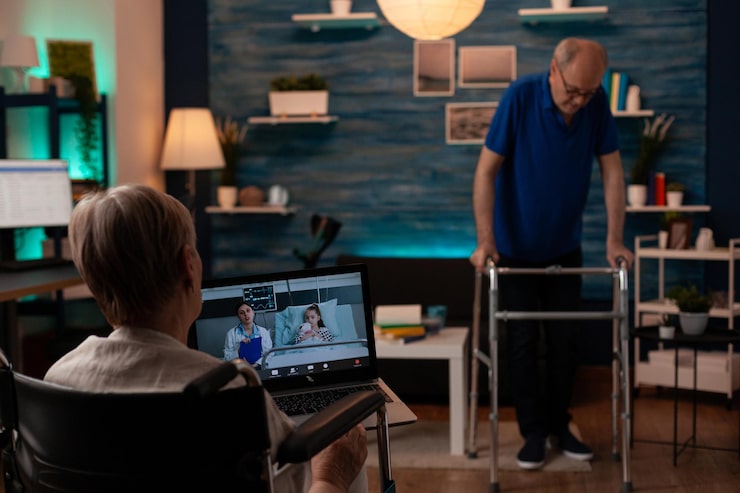

Advantages of Patient Health Monitoring Systems in Physical Therapy
Patient health monitoring systems provide significant benefits during rehabilitation.
Healthcare providers gain access to objective recovery data, while patients receive more personalized guidance throughout treatment.
Benefits include:
- Improved recovery visibility
- Faster intervention when issues arise
- Better patient engagement
- Enhanced treatment adherence
- Data-driven rehabilitation planning
- Reduced unnecessary clinic visits
- Improved long-term outcomes
For healthcare organizations, remote monitoring also supports scalable care delivery without compromising quality.
Is Virtual PT Worth It?
For many patients, virtual PT provides an effective, convenient, and cost-efficient alternative to traditional therapy visits.
Patients recovering from orthopaedic procedures, sports injuries, chronic pain conditions, and mobility limitations often achieve positive outcomes through virtual rehabilitation programs.
When combined with remote patient monitoring solutions, AI-powered analytics, and structured exercise programs, virtual PT can become an important component of comprehensive home recovery management.
Why Remote Physical Therapy Is Becoming a Preferred Recovery Model
Healthcare systems are increasingly embracing remote rehabilitation because it improves accessibility, enhances monitoring capabilities, and supports patient-centred care.
Remote physical therapy combines therapist expertise with digital technologies such as AI movement analysis, wearable sensors, remote rehab therapy systems, and real-time patient monitoring to create a more connected recovery experience.
For patients seeking convenient rehabilitation while maintaining professional oversight, remote physical therapy provides a powerful balance between flexibility, clinical supervision, and measurable recovery outcomes. Contact us today to learn how our remote rehabilitation solutions can support better recovery, improved patient engagement, and long-term wellness.
Organizations exploring advanced rehabilitation technologies can benefit from solutions like VitalWatch365 Remote Physical Therapy, which combines digital monitoring, patient engagement, and real-time recovery tracking to support more effective home-based rehabilitation programs.